Jazz Age · Paris, 1925
Josephine Baker and the lacquered Eton crop
In 1925 a nineteen-year-old from St. Louis arrived in Paris and turned a haircut into a lacquered emblem of the Jazz Age.
Culture · History · Science
How people have cut, dressed and worn their hair across five thousand years — what it meant, and what science now knows about it.
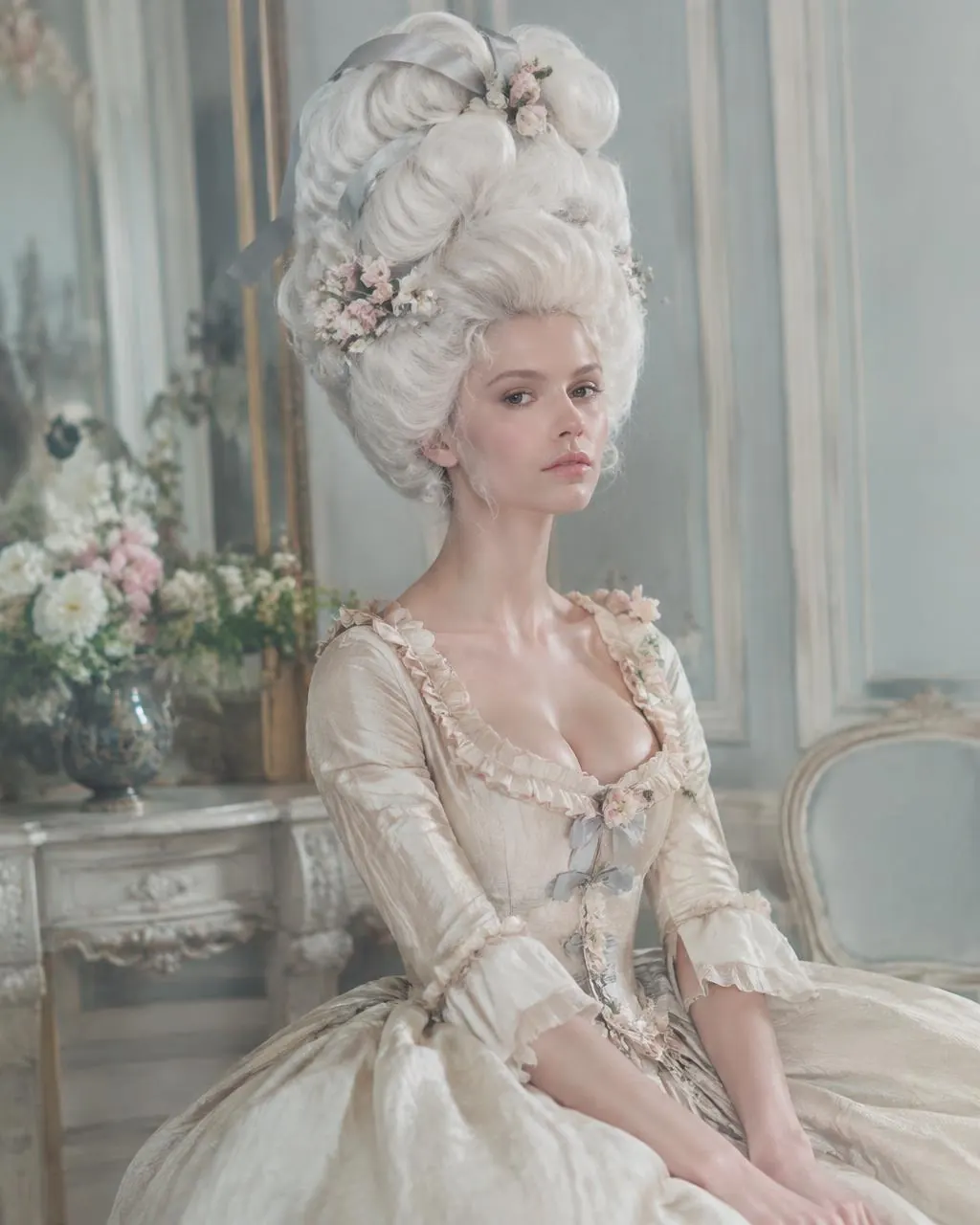
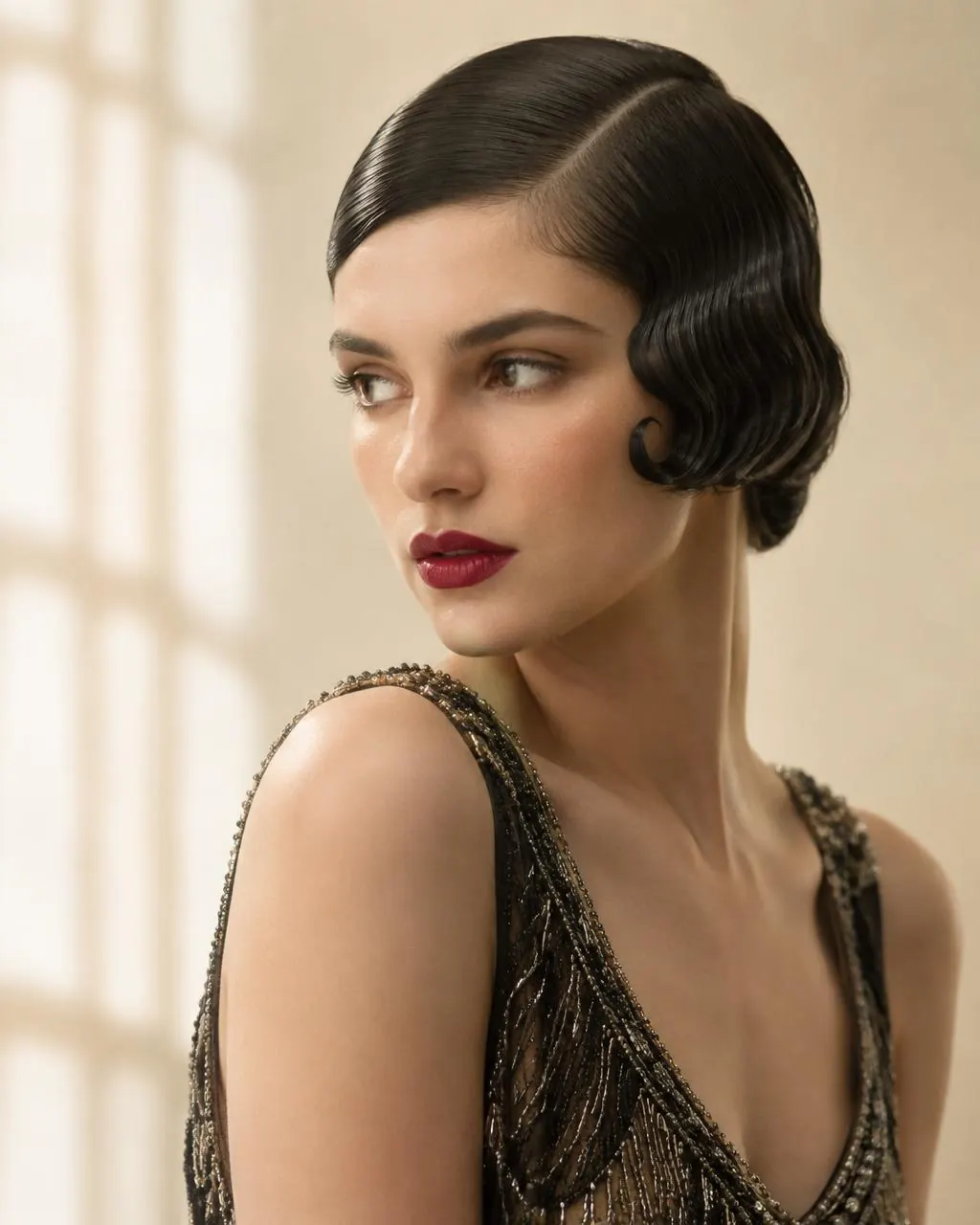
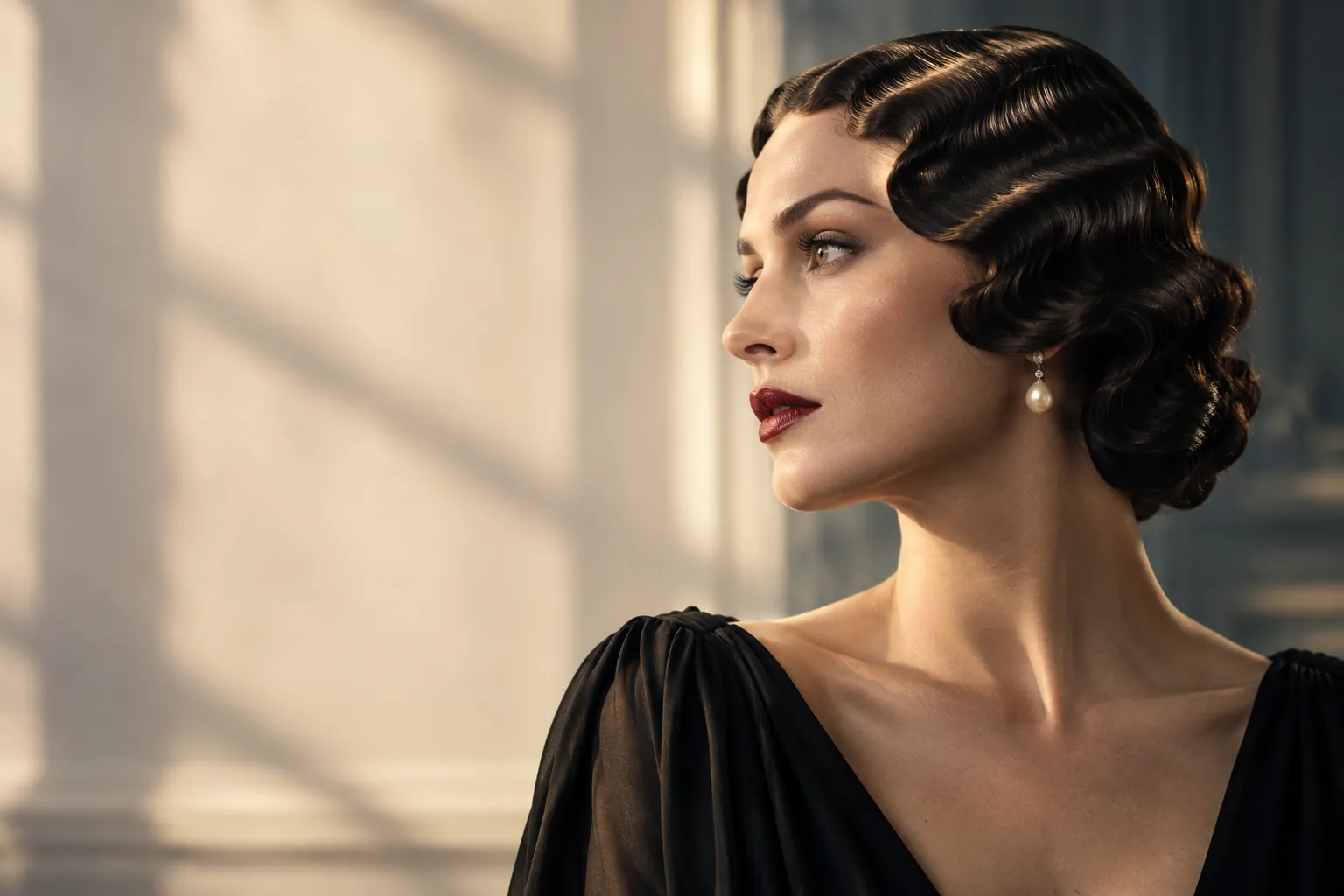
Cover: Contemporary AI-created interpretation of a 1930s finger-wave style. Not an archival photograph and not a portrait of any historical person.
The timeline · 9 eras
Where hairdressing and hair science first met — and what the discipline looks like today.
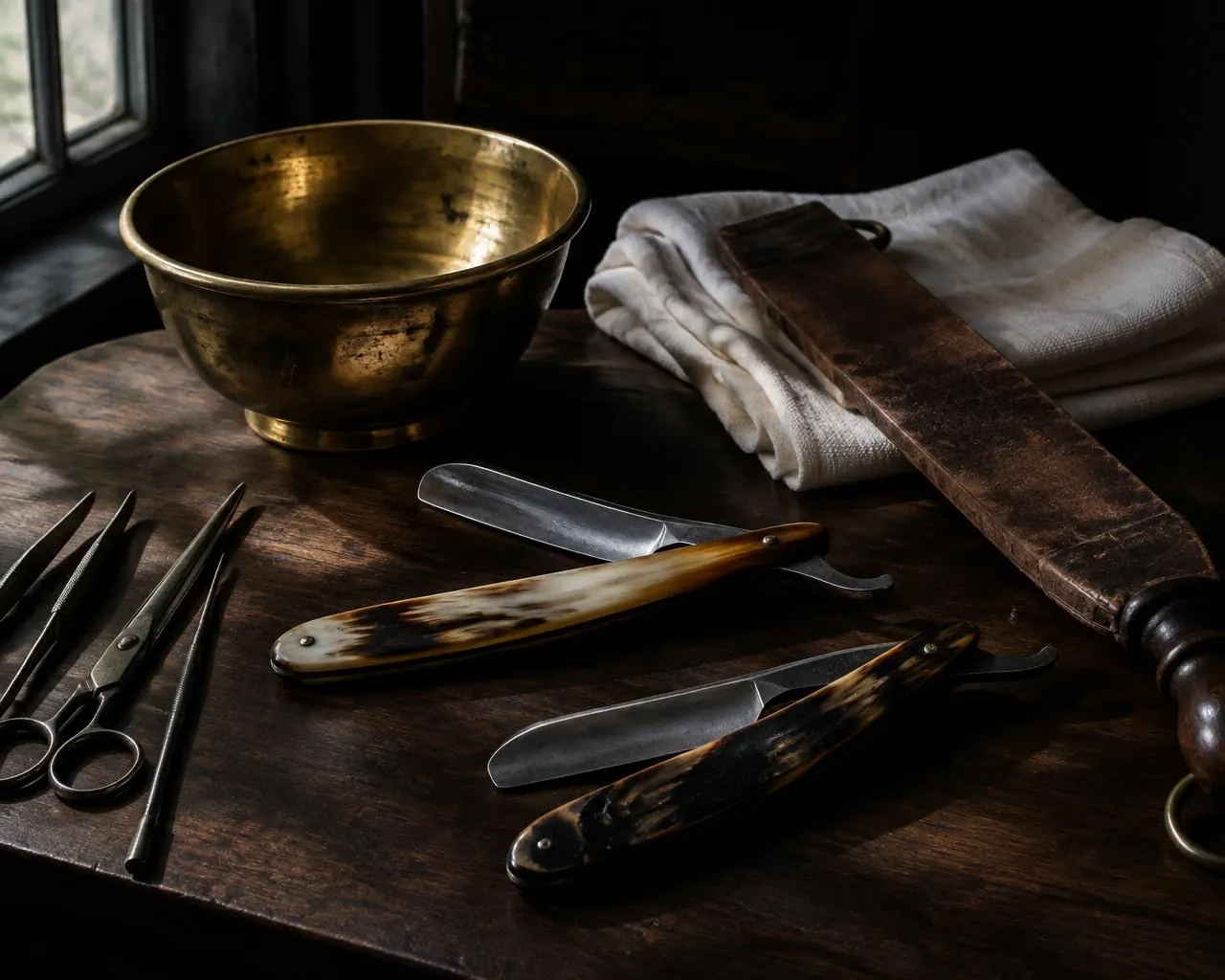
From Trichology.com · Then
Around the turn of the twentieth century in London, physicians and hair professionals began studying hair and scalp concerns together. In 1902 the Institute of Trichologists was established, giving the young discipline a professional home built on education — and on keeping practical and medical knowledge in the same conversation.
Read the history of trichology →
From Trichology.com · Now
Trichology studies hair growth, hair loss, scalp conditions and damage to the shaft — reading the pattern and timeline of change alongside genetics, hormones, nutrition, stress and styling habits. Assessment comes before assumption.
What is trichology? →From our product partner · Brand-reported
From Advanced Trichology · Case gallery
Advanced Trichology publishes a gallery of client photographs supplied by the Evolution Hair Loss Institute, each pairing a picture taken on day one of a treatment programme with one taken nine months later. The originals, with their captions, are on the source page.
Brand-reported results from personalised programmes that may combine several products and treatments. Individual results vary and are not typical; no outcome can be attributed to a single product.
View the published gallery →From Advanced Trichology · A customer account
One customer, unnamed here, describes having tried everything before finding Advanced Trichology. Early on nothing seemed to change — but they kept to their personalised plan and report that their hair grew back.
A testimonial published by the brand. Personalised plans can include several products; individual results vary.
Read the account on Advanced Trichology →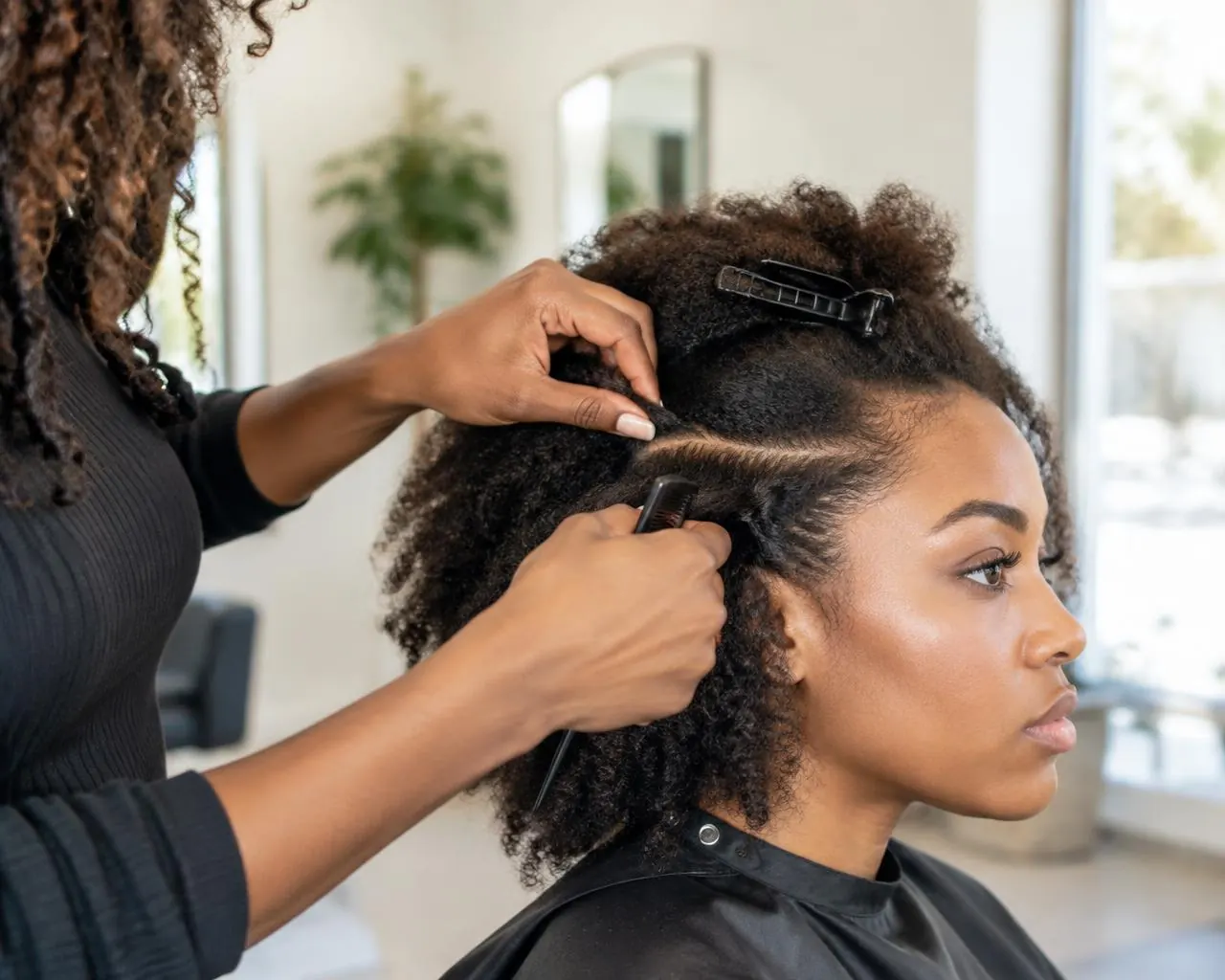
At the salon
Clients bring their hair worries to the person they trust most with it. A little product literacy helps you answer well — and know when to point them to a specialist.

From Advanced Trichology · Product literacy
Clients increasingly ask what is in their shampoo and why. Explore the ingredient list of the Hairstem™ Peptide Shampoo and consider where a scalp-focused cleanser might sit within a client's wider home-care routine.
Explore the ingredients →Product photo: advancedtrichology.com.
From Advanced Trichology · For salons
Help clients make informed home-care choices between appointments. Salons can apply to explore authorised stockist options through Advanced Trichology's wholesale partner programme.
Explore salon partnershipsPre-Trichology Foundations Certificate · Trichologist Academy
Know the hair behind the hairstyle.
For stylists, barbers and salon owners who want to understand what they see in the chair: the structure of the strand, the growth cycle and how the scalp behaves — so you can talk to clients with confidence and know when to refer.
An introductory certificate and a first step towards further study; it is not a clinical qualification.
Run a salon? Explore the T-Select salon pathway →
New stories are announced on Instagram. Follow @the_history_of_hair
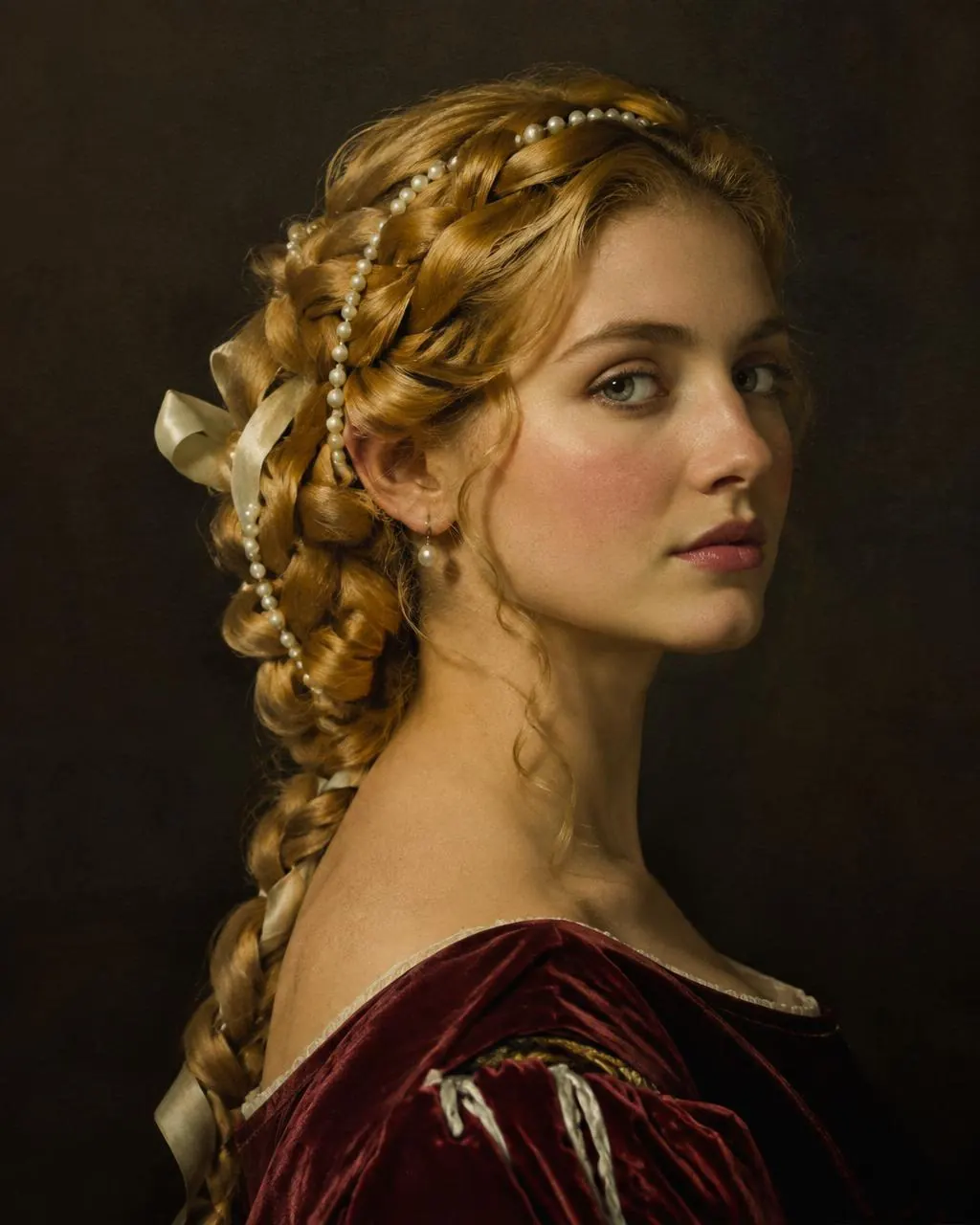
AI-generated contemporary editorial image for The History of Hair.
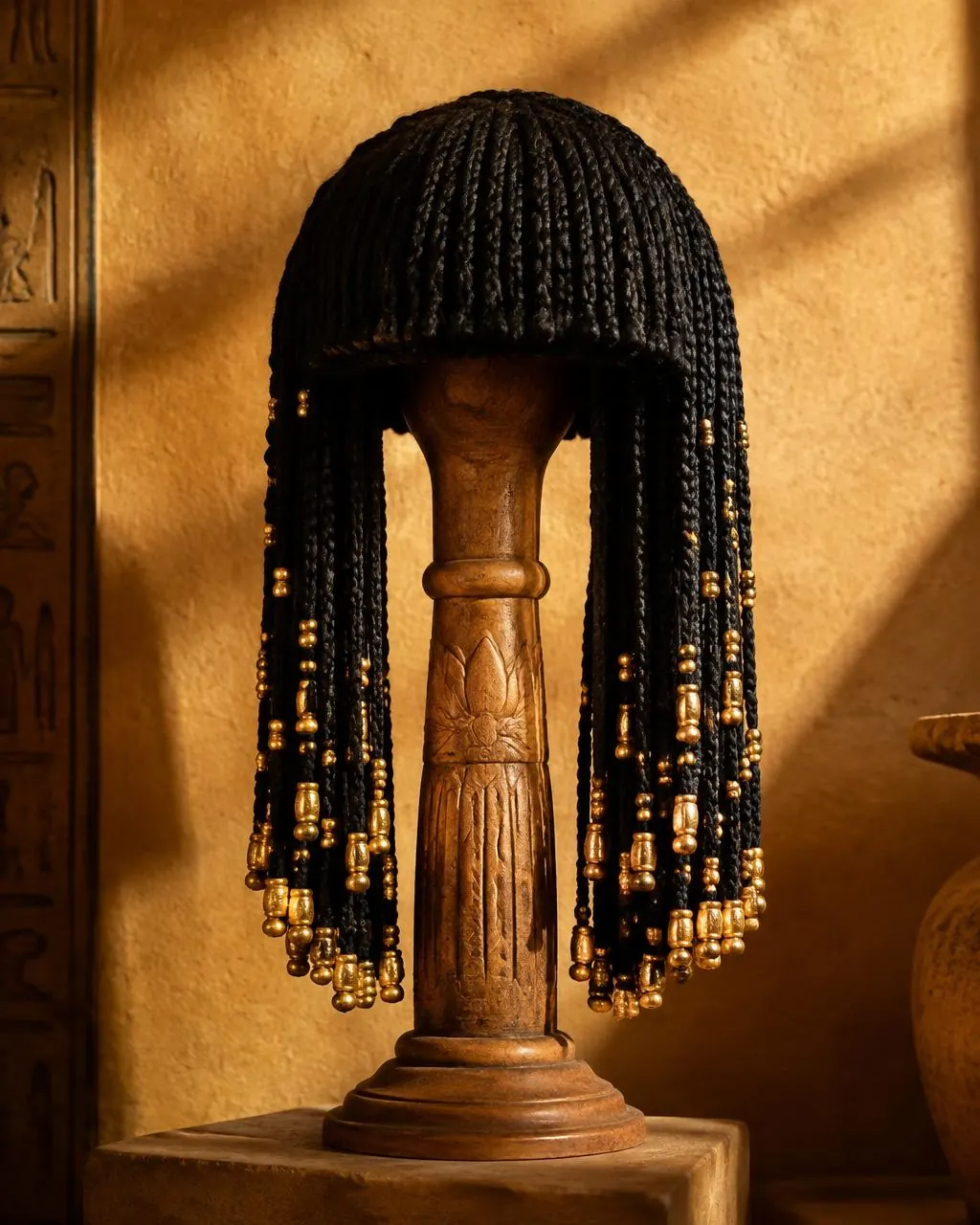
Its name comes from a 1939 Hollywood film. The haircut itself was being held up with imported hair gel more than two thousand years ago.
The word once meant a massage, not a wash. It reached English through India, and Europe learned it in a seaside bathhouse in Brighton.
The spinning stripes outside a barbershop are an advertisement for a medical service most barbers stopped offering centuries ago.
A hairdresser was asked to design the look of a new decade. She took inspiration from a hat.
A pin so small it disappears into the hair, named after the haircut that changed women's lives.
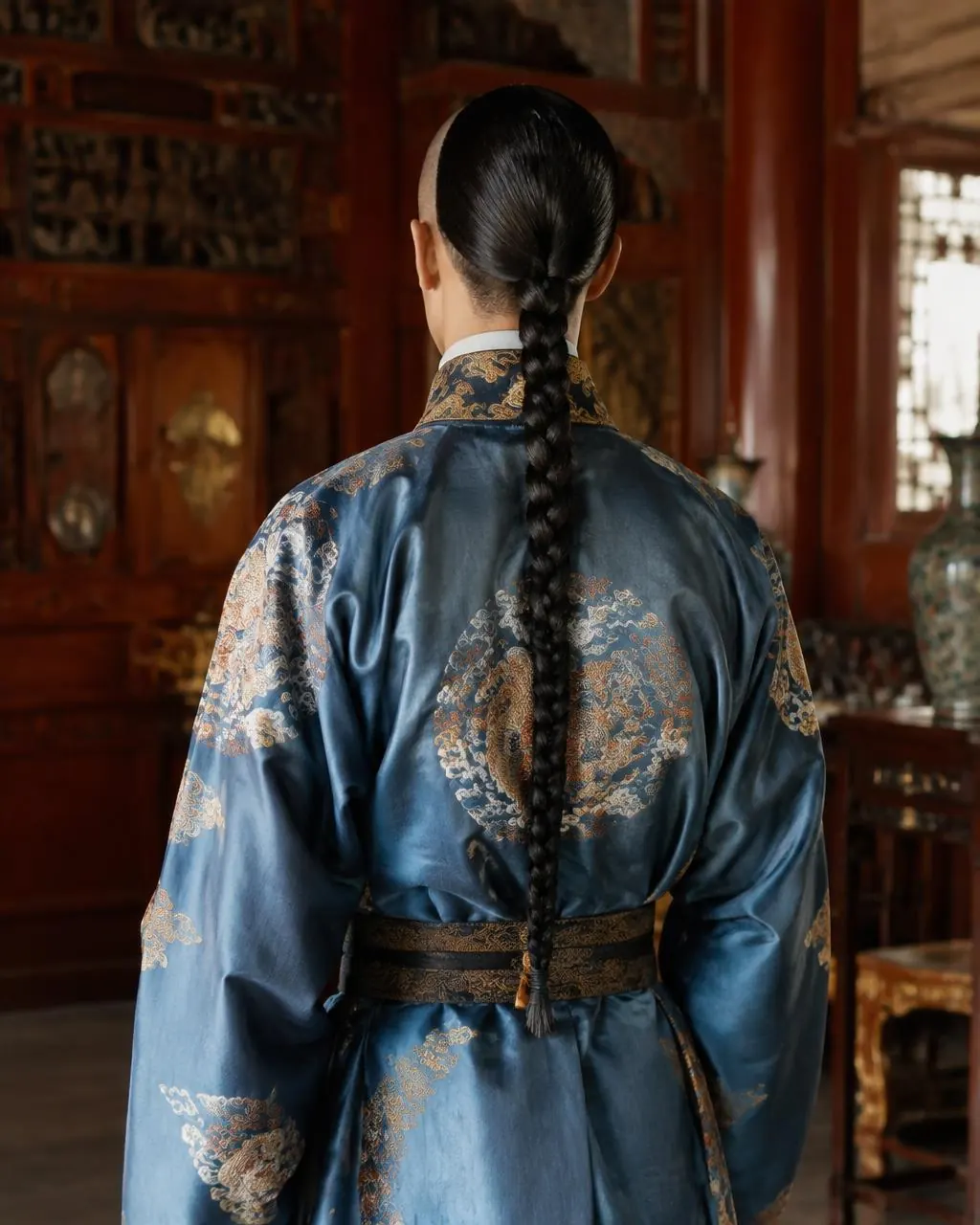
For two and a half centuries a man's topknot told strangers who he was. Then a government decree told him to cut it off.