Rococo · Beijing, 1645
The queue: a hairstyle written into law
For nearly three centuries, a shaved forehead and a long braid were not fashion in China. They were proof of loyalty.
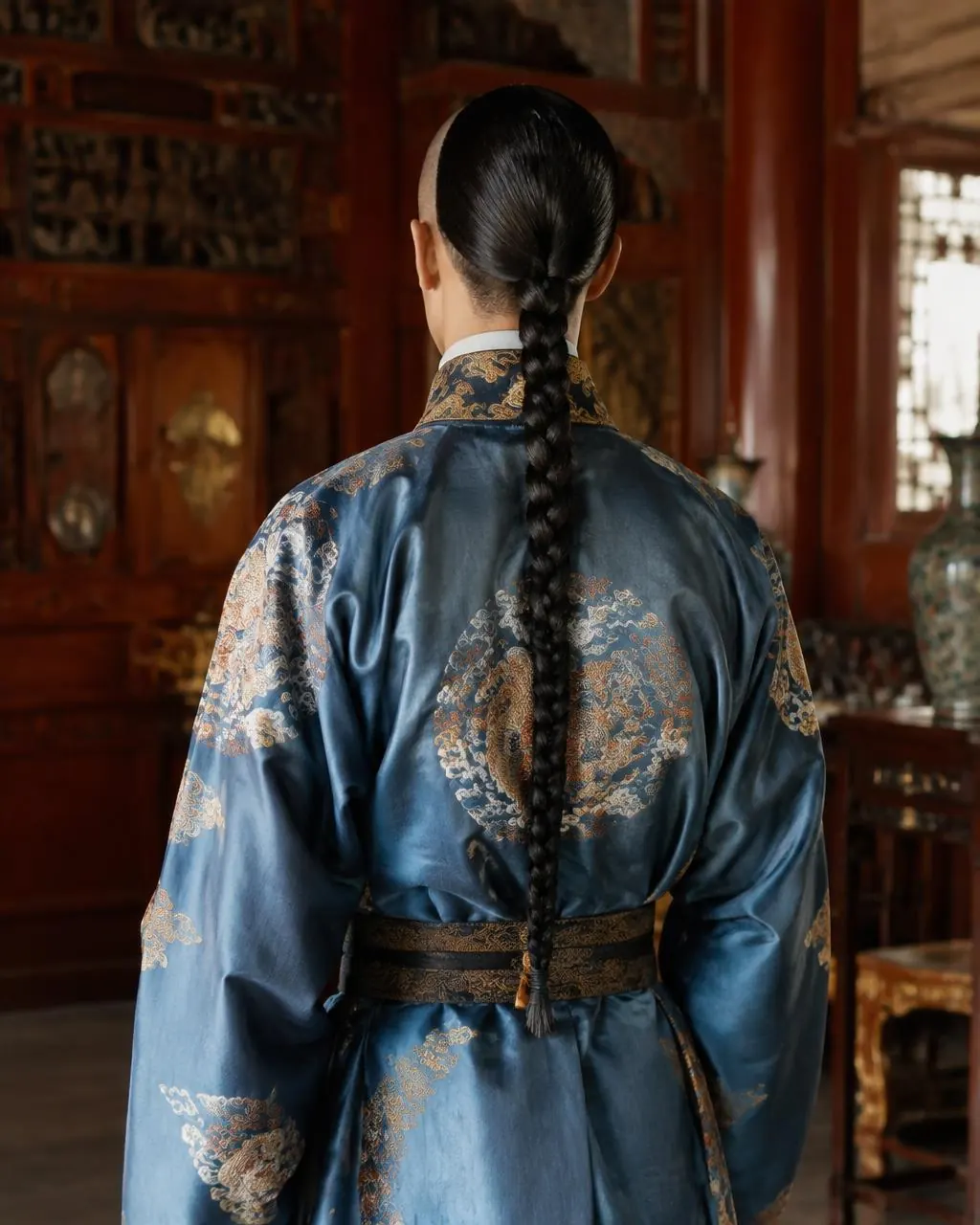
1645. The Manchu armies have taken Beijing. The new Qing court issues an order to every adult man in its territory: shave the front of the head, grow the rest, and braid it into a single queue. The deadline is ten days.
The order had a slogan. Keep your hair and lose your head, or keep your head and lose your hair. It was meant literally.
The style itself came from Manchu tradition. The forehead and temples were shaved with a razor every ten days or so, a service performed by itinerant barbers who carried their tools on a shoulder pole. The remaining hair at the crown was grown long, washed, oiled and plaited tightly. Silk cord was woven into the end to add length and weight. A respectable queue could reach the back of the knees.
For Han Chinese men, it was a profound break. Confucian teaching held that the body, hair included, was a gift from one's parents, not to be harmed. Many resisted. Cities rose up. The resistance was crushed.
Within a few generations the queue became ordinary. Men took pride in its length and sheen. It appeared in portraits, in opera, in the wardrobes of emigrants who carried it to California and Southeast Asia. Abroad, it made them targets; in some American towns, local laws were written to force it off.
Constant tension on the same patch of scalp left its own record. Men who braided tightly for decades often thinned along the hairline and crown.
When the Qing dynasty fell in 1911, cutting the queue was among the first acts of the new republic. Men lined up in the streets to have it removed. Some kept the braid in a drawer for the rest of their lives. A hairstyle had been an oath. Cutting it was a revolution you could see.
Pre-Trichology Foundations Certificate · Trichologist Academy
Know the hair behind the hairstyle.
You know hair. Discover the science beneath it.
For stylists, barbers and salon owners who want to understand what they see in the chair: the structure of the strand, the growth cycle and how the scalp behaves — so you can talk to clients with confidence and know when to refer.
An introductory certificate and a first step towards further study; it is not a clinical qualification.
Run a salon? Explore the T-Select salon pathway →
New stories are announced on Instagram. Follow @the_history_of_hair
Related stories
Renaissance · 1540
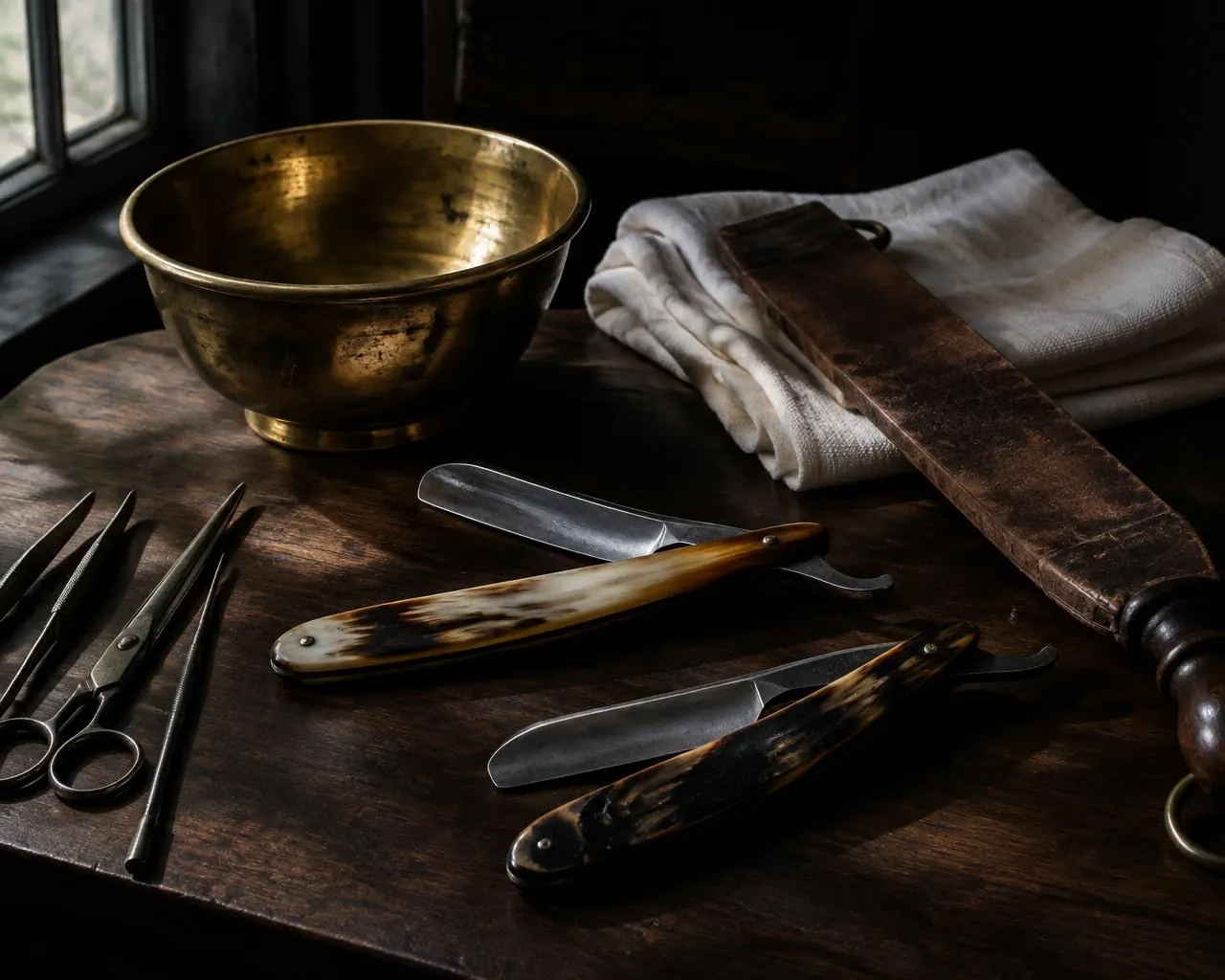
From barber-surgeons to trichologists: 500 years of the hair professional
The red-and-white pole outside a barbershop is a bandage. It remembers when the man with the razor also let your blood.
Jazz Age · 1925
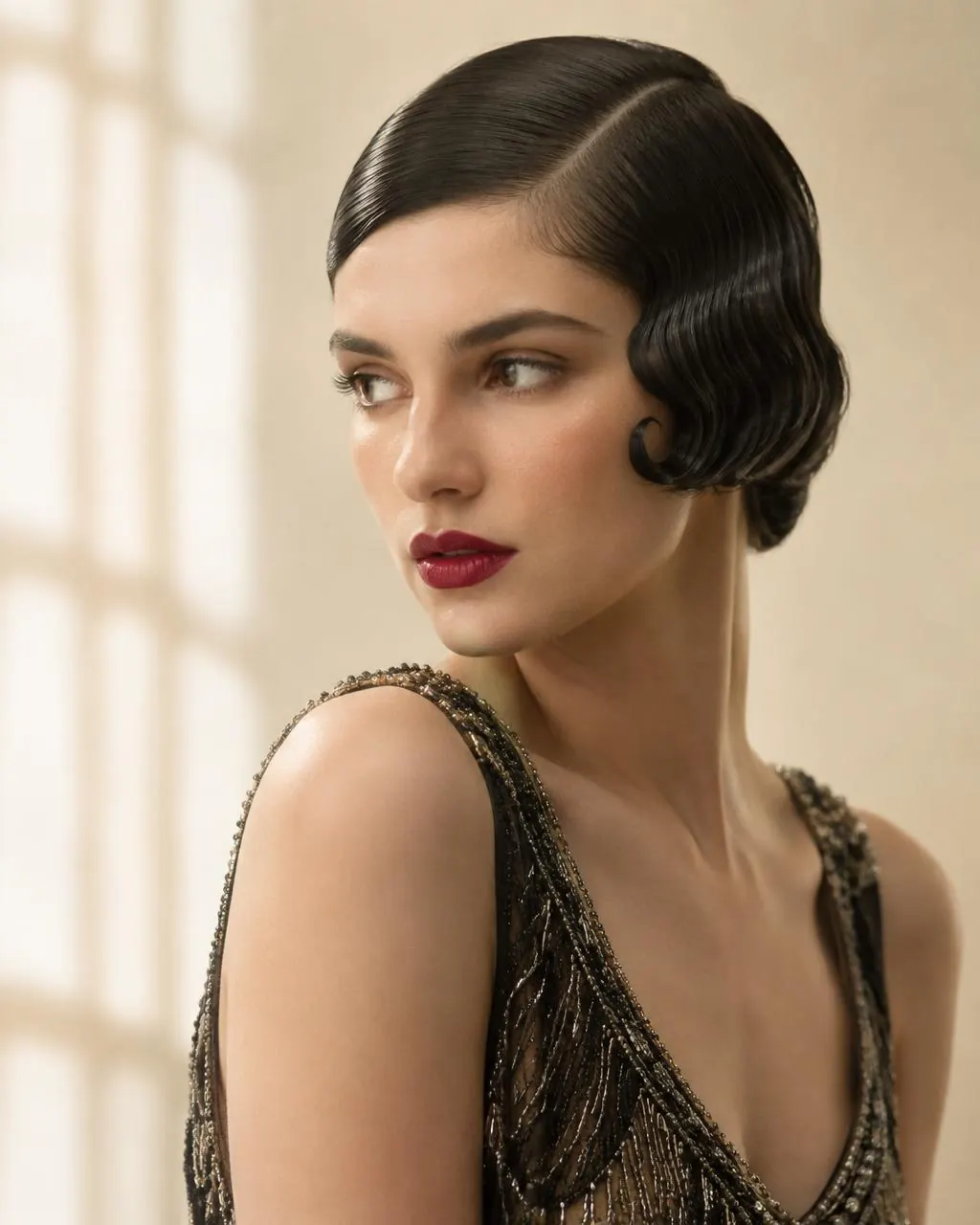
Josephine Baker and the lacquered Eton crop
In 1925 a nineteen-year-old from St. Louis arrived in Paris and turned a haircut into a lacquered emblem of the Jazz Age.
Victorian · 1910
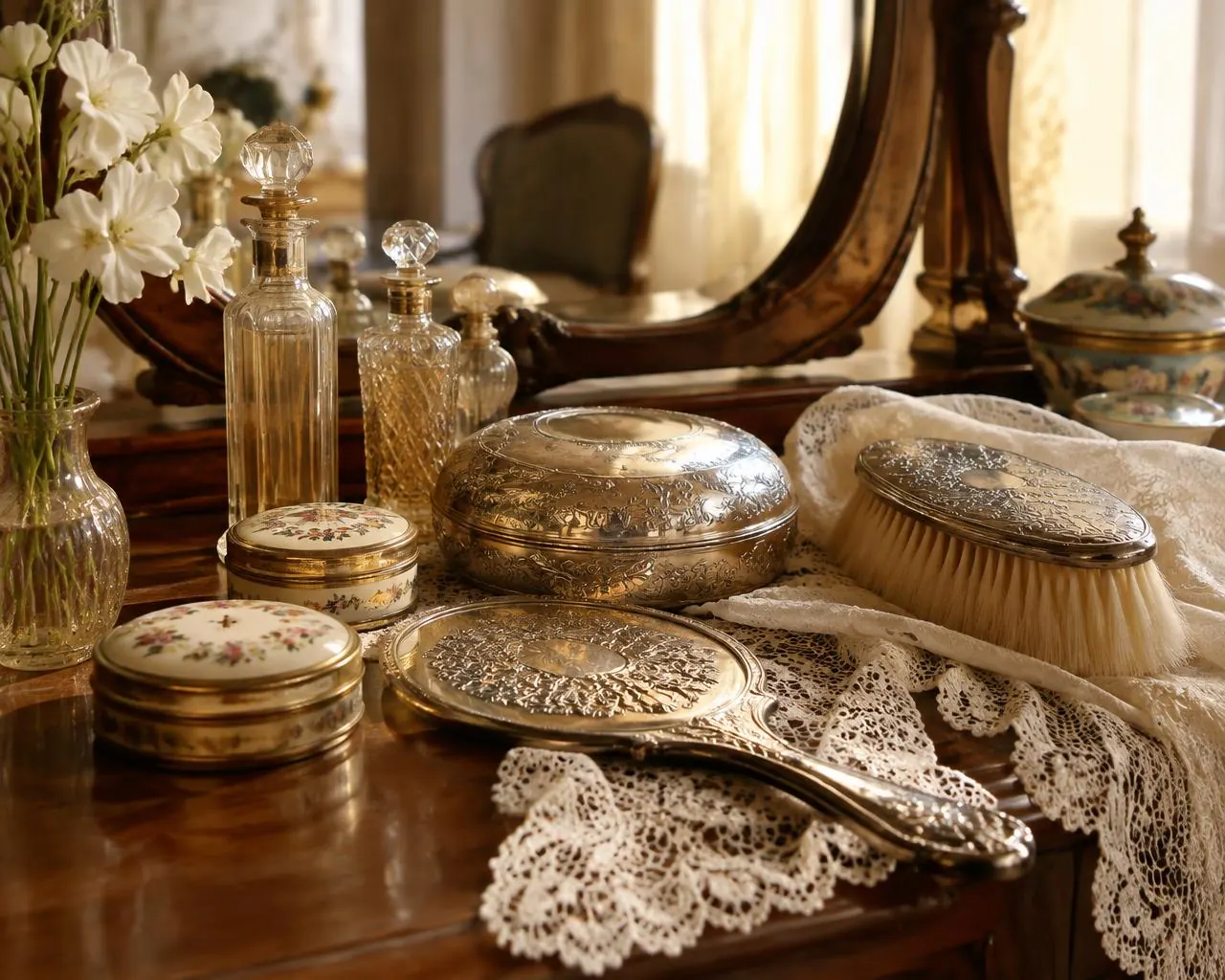
Dry shampoo in 1910: the powders of the pre-shower era
Before running hot water, clean hair came in a tin. Orris root, cornstarch and a stiff brush did the work.