Renaissance · London, 1540
From barber-surgeons to trichologists: 500 years of the hair professional
The red-and-white pole outside a barbershop is a bandage. It remembers when the man with the razor also let your blood.
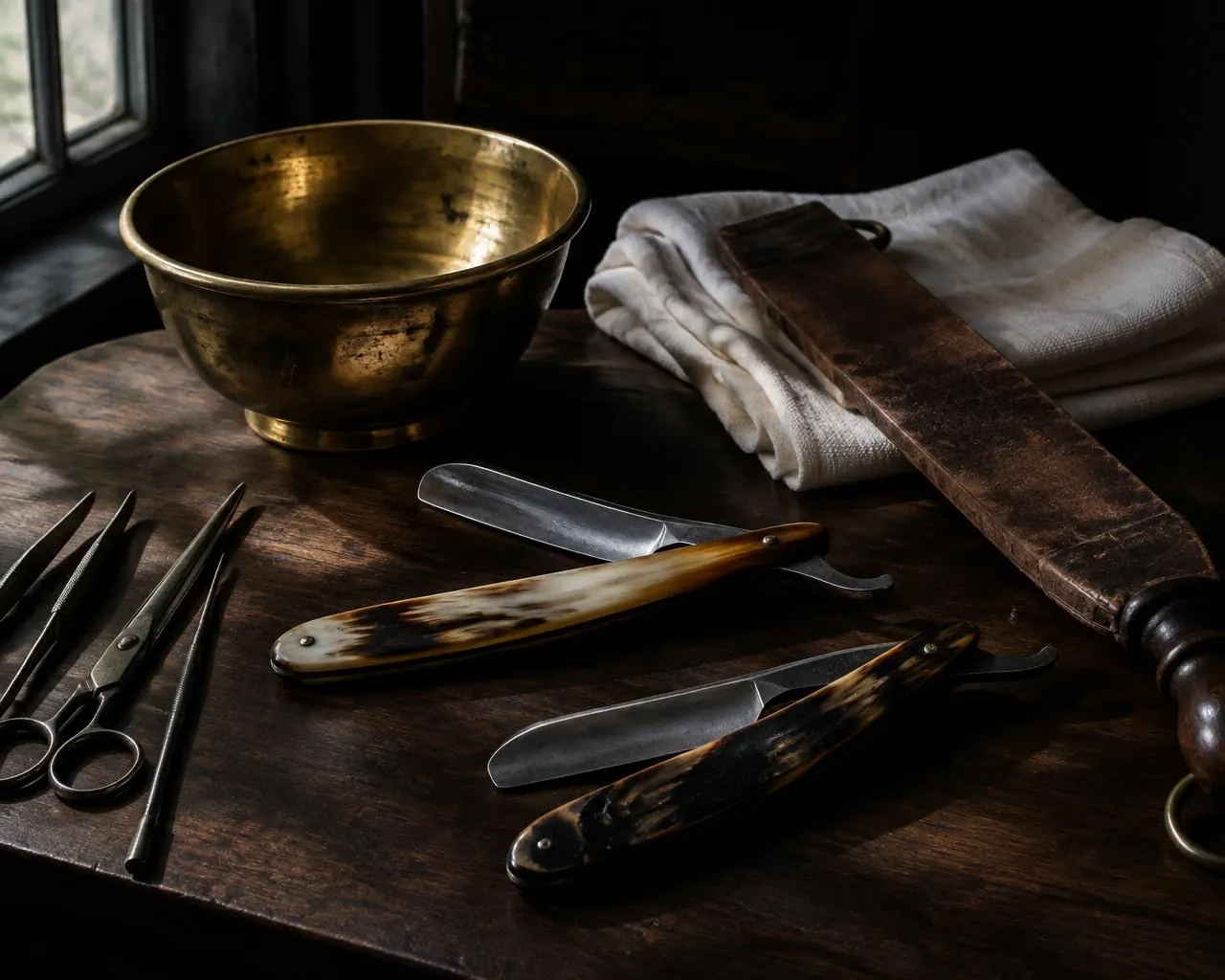
1540. London. Henry VIII unites two guilds into one: the Company of Barber-Surgeons. The same men cut hair, pulled teeth, set bones and opened veins. The striped pole outside their shops advertised it. Red for blood. White for bandages.
The work was practical. Barbers owned razors and steady hands. Physicians, trained in universities, considered cutting beneath them. So the barber did it — bloodletting, lancing, amputation on the battlefield. Ambroise Paré, the great French surgeon, began as a barber's apprentice.
The split came slowly. Surgeons gained status and training. In 1745 they left the London company to form their own. The barber kept the chair, the razor and the pole, but not the scalpel.
Over the next century, hair care became a trade of its own: wigmakers, hairdressers, perfumers, the makers of tonics sold from carts. Many promised to cure baldness. Few did.
Then came a different question. Not how to style hair, but why it fails. In 1902 a group in London began studying the hair and scalp as a specialist discipline. They called it trichology, from the Greek trikhos — hair. The Institute of Trichologists was founded in 1902.
The modern trichologist sits between the salon and the clinic. They examine the scalp under magnification. They take histories. They read the hair for signs of stress, deficiency, inflammation and pattern loss, and they know when to refer to a dermatologist.
The thread runs five hundred years: from the man with the razor and the lancet to the specialist with a trichoscope. The pole still turns outside the barbershop. It is a reminder that hair was always a little bit medicine.
Further reading: The history of trichology · What is a trichologist?
Pre-Trichology Foundations Certificate · Trichologist Academy
Know the hair behind the hairstyle.
You know hair. Discover the science beneath it.
For stylists, barbers and salon owners who want to understand what they see in the chair: the structure of the strand, the growth cycle and how the scalp behaves — so you can talk to clients with confidence and know when to refer.
An introductory certificate and a first step towards further study; it is not a clinical qualification.
Run a salon? Explore the T-Select salon pathway →
New stories are announced on Instagram. Follow @the_history_of_hair
Related stories
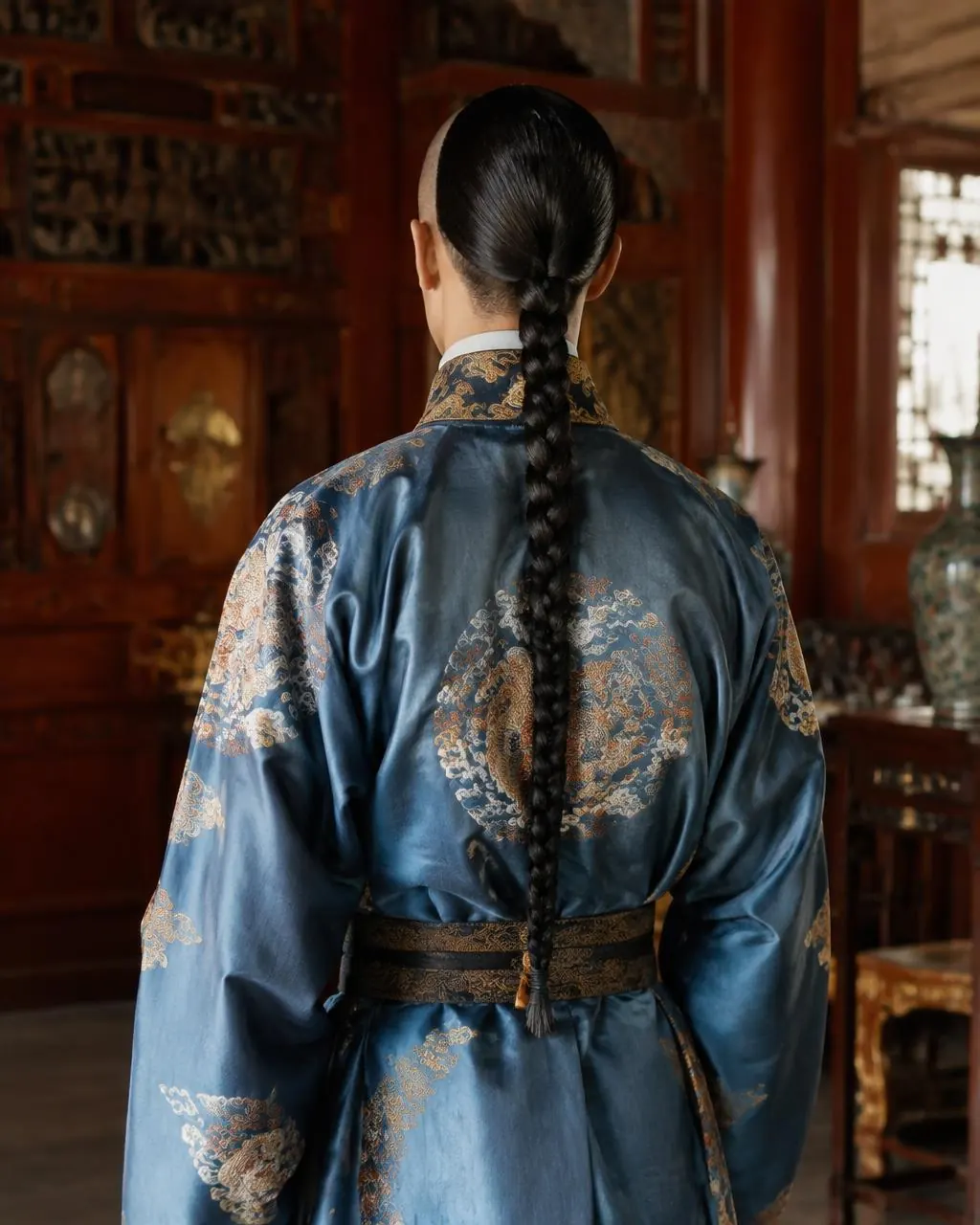
Rococo · 1645
The queue: a hairstyle written into law
For nearly three centuries, a shaved forehead and a long braid were not fashion in China. They were proof of loyalty.
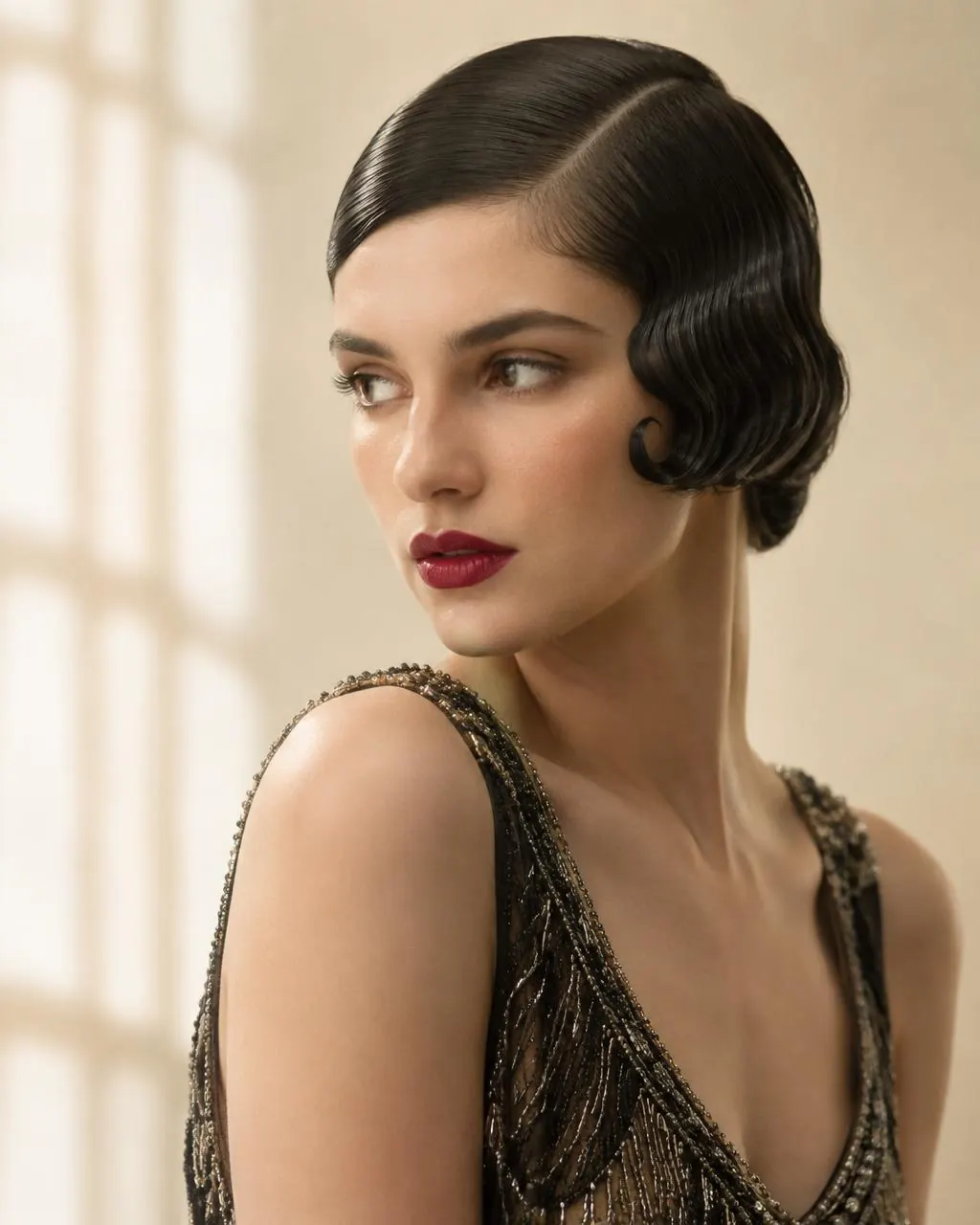
Jazz Age · 1925
Josephine Baker and the lacquered Eton crop
In 1925 a nineteen-year-old from St. Louis arrived in Paris and turned a haircut into a lacquered emblem of the Jazz Age.
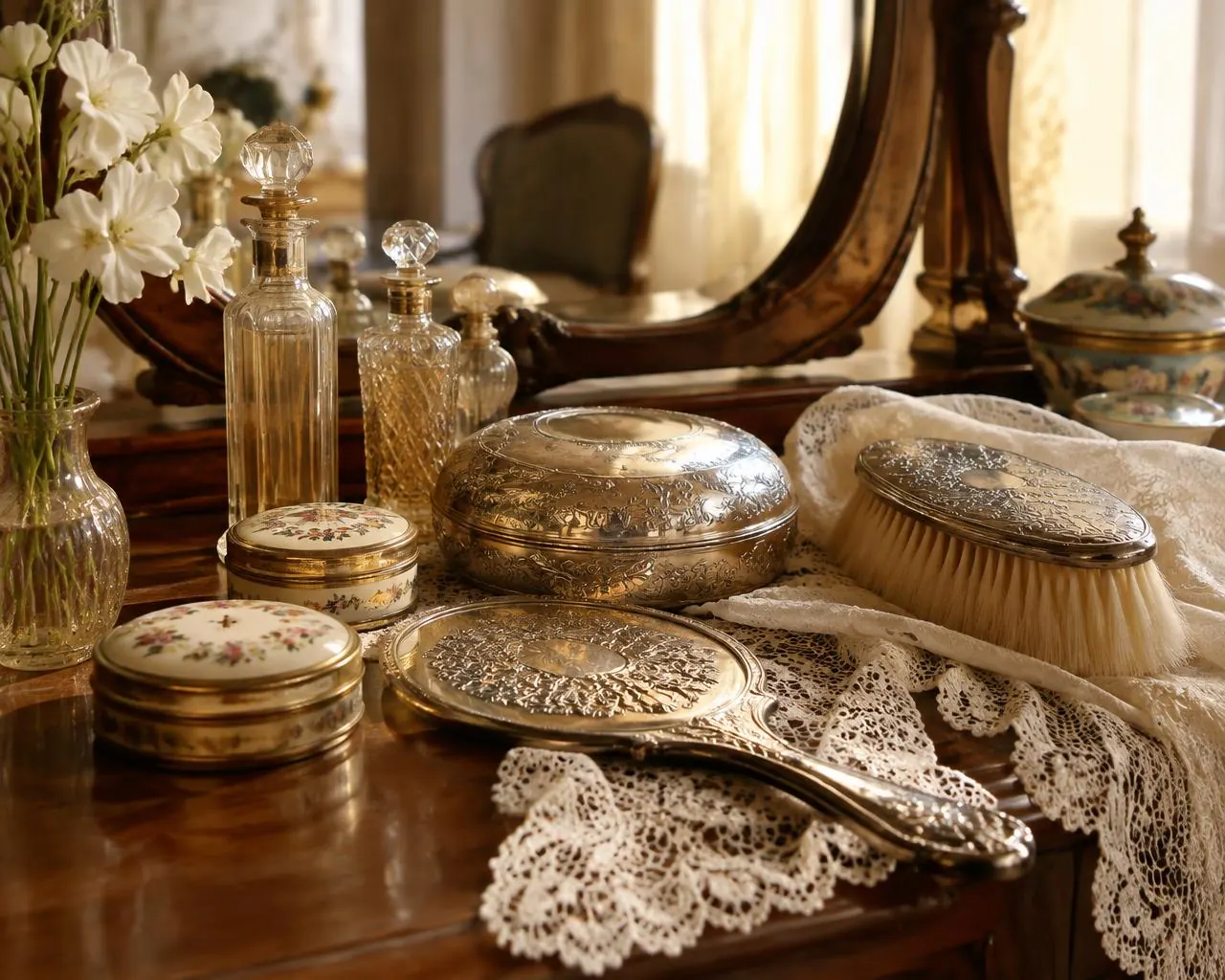
Victorian · 1910
Dry shampoo in 1910: the powders of the pre-shower era
Before running hot water, clean hair came in a tin. Orris root, cornstarch and a stiff brush did the work.