Victorian · London, 1910
Dry shampoo in 1910: the powders of the pre-shower era
Before running hot water, clean hair came in a tin. Orris root, cornstarch and a stiff brush did the work.
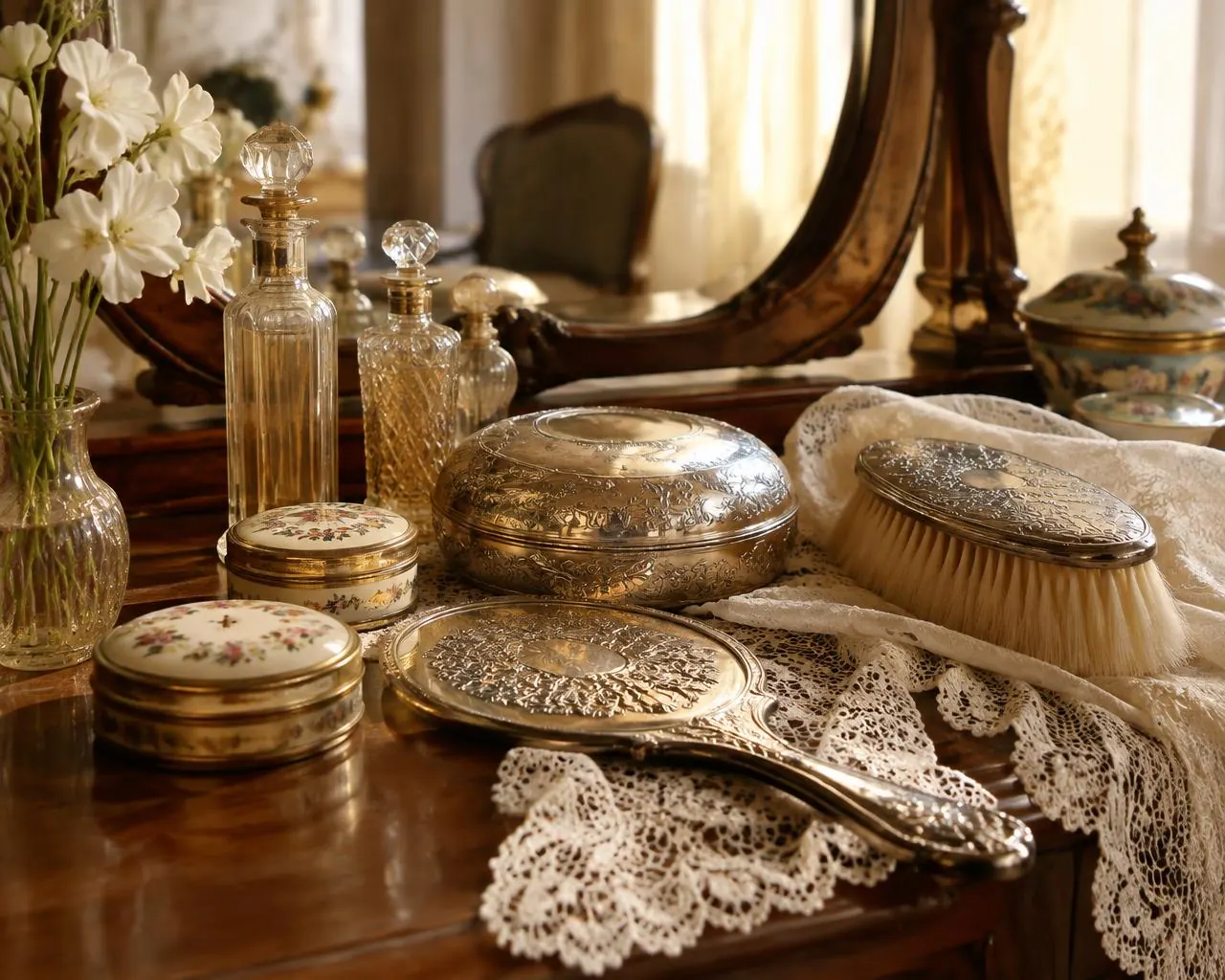
1910. A middle-class house in London. There is a bathroom, perhaps, but hot water is heated in the kitchen and carried upstairs. Washing long hair takes an afternoon and a fire to dry it by. Most women do it once a month. Some, less.
In between, there is powder.
The recipes were printed in household manuals and beauty columns. Cornstarch or rice powder as the base. Powdered orris root — the dried rhizome of the iris — for its faint violet scent. Sometimes fuller's earth, a fine clay, for oily hair. Sometimes borax.
The method was methodical. The hair was let down and sectioned. The powder was sprinkled at the roots or blown in with a rubber puffer. It was left for ten minutes to absorb oil. Then came the brushing, which was the real cleaning: a stiff boar-bristle brush drawn from root to tip, over and over, until the powder and the grease came out together.
Commercial versions followed. By the 1940s, a product called Minipoo sold dry shampoo in a box with a mitt for applying it. The idea was not new. The packaging was.
Hair in this period was built up — the Gibson girl pompadour, the full Edwardian roll, often padded with a 'rat' made of the wearer's own saved hair. Powder added volume and grip. A freshly washed head was too slippery to pin.
Powder was not just hygiene. It was time. It let a woman look kept without the hours a wash required. It belonged to the long era between the pitcher and the shower — when cleanliness was something you performed with a brush, by lamplight, every night.
Pre-Trichology Foundations Certificate · Trichologist Academy
Know the hair behind the hairstyle.
You know hair. Discover the science beneath it.
For stylists, barbers and salon owners who want to understand what they see in the chair: the structure of the strand, the growth cycle and how the scalp behaves — so you can talk to clients with confidence and know when to refer.
An introductory certificate and a first step towards further study; it is not a clinical qualification.
Run a salon? Explore the T-Select salon pathway →
New stories are announced on Instagram. Follow @the_history_of_hair
Related stories
Jazz Age · 1925
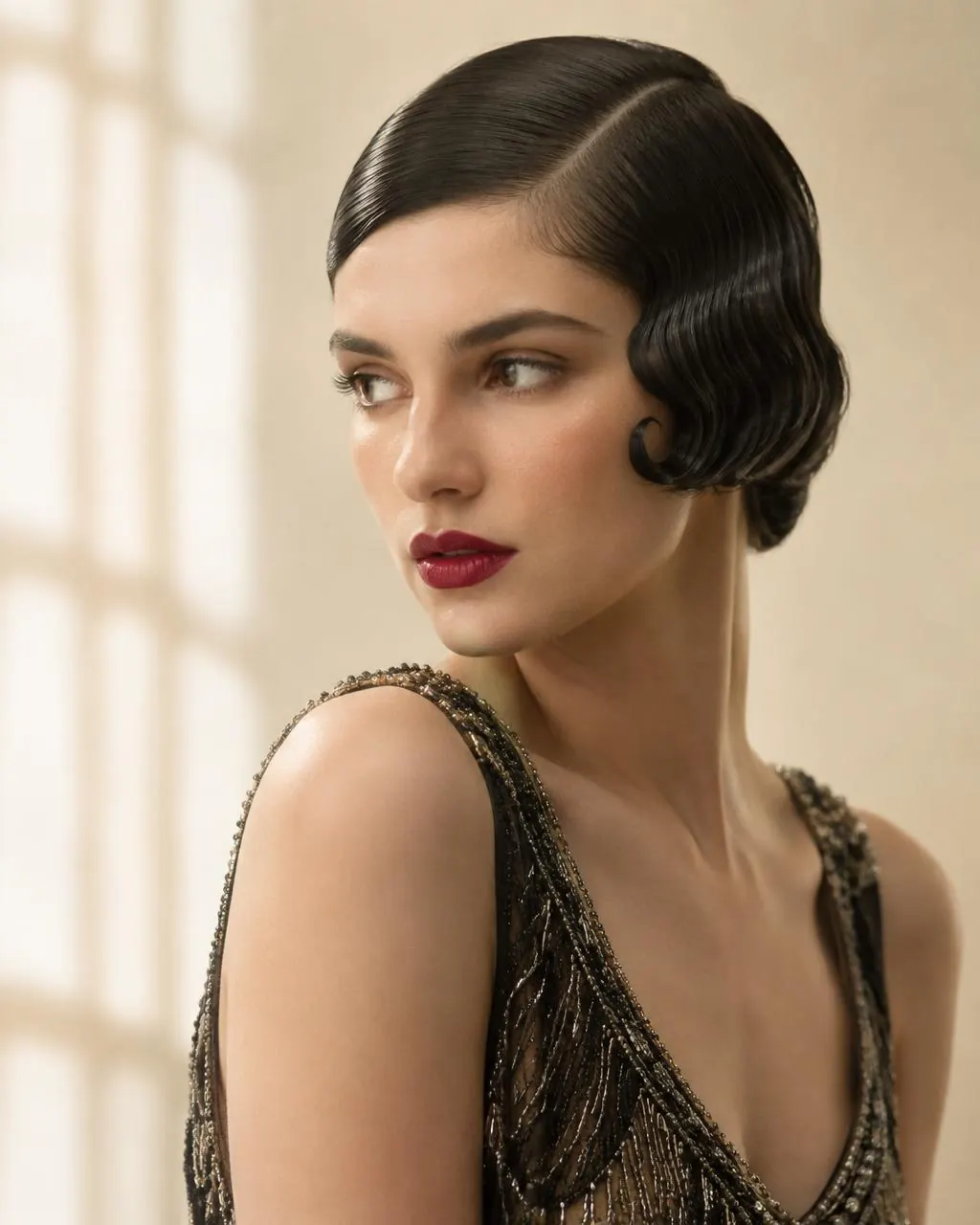
Josephine Baker and the lacquered Eton crop
In 1925 a nineteen-year-old from St. Louis arrived in Paris and turned a haircut into a lacquered emblem of the Jazz Age.
Rococo · 1645
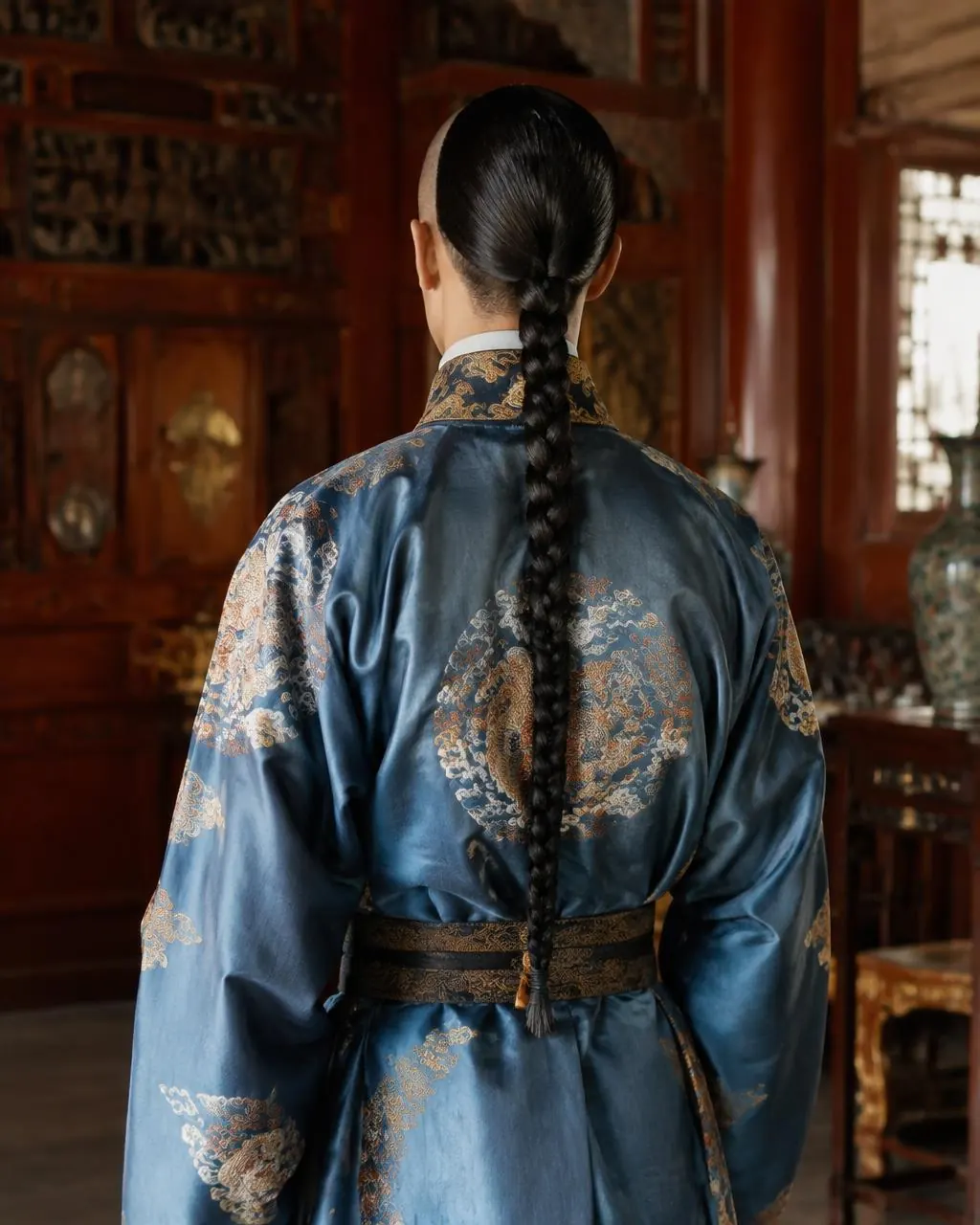
The queue: a hairstyle written into law
For nearly three centuries, a shaved forehead and a long braid were not fashion in China. They were proof of loyalty.
Renaissance · 1540
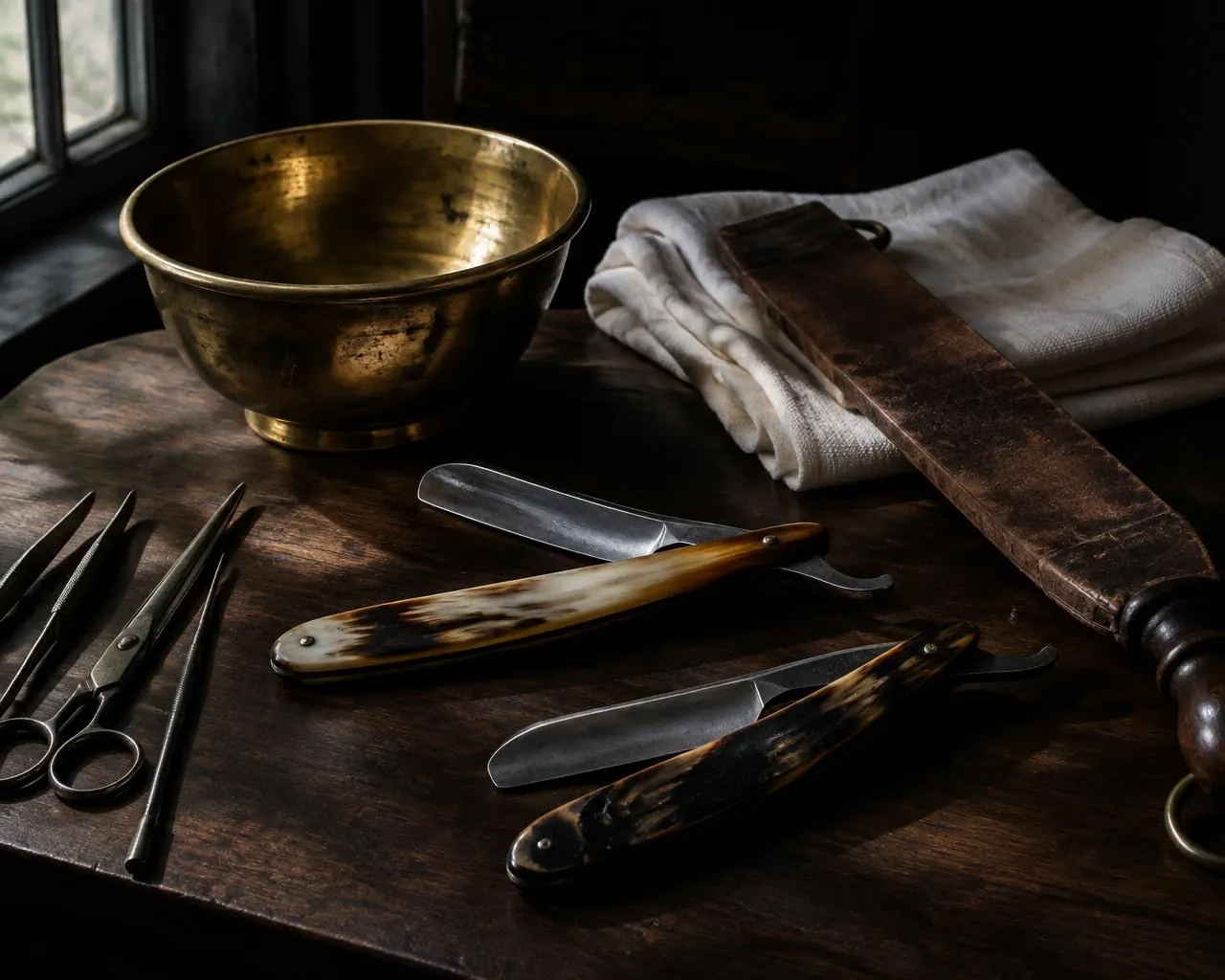
From barber-surgeons to trichologists: 500 years of the hair professional
The red-and-white pole outside a barbershop is a bandage. It remembers when the man with the razor also let your blood.