Jazz Age · Paris, 1925
Josephine Baker and the lacquered Eton crop
In 1925 a nineteen-year-old from St. Louis arrived in Paris and turned a haircut into a lacquered emblem of the Jazz Age.
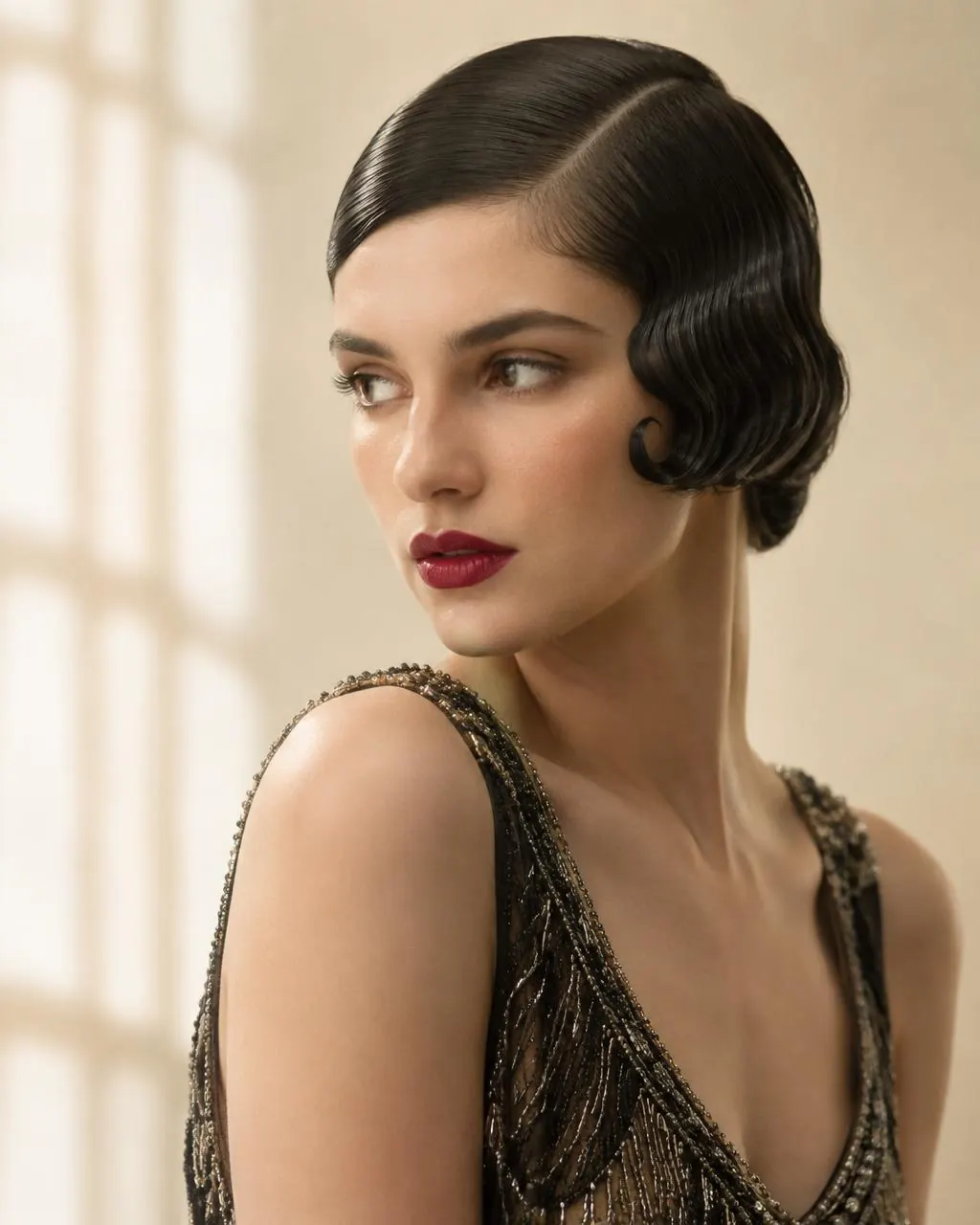
October 1925. The Théâtre des Champs-Élysées. A young dancer named Josephine Baker steps onto the stage of La Revue Nègre. Paris has seen the bob before. It has not seen this.
Her hair is cut close. Shorter than the bob, closer to a boy's school cut — the Eton crop, named for the English college. It lies flat against the skull like a cap of black enamel. A single curl is pressed against her forehead. It does not move when she dances. Nothing moves.
The technique was simple and severe. The hair was cut short at the nape and sides, left slightly longer on top. It was combed straight back or parted hard to one side. Then came the pomade — heavy, petroleum-based, applied in quantity and smoothed with a fine-tooth comb until the surface reflected stage light. Some accounts mention egg whites. Most mention patience.
The look was so specific that it became a product. By the late 1920s a pomade called Bakerfix was sold in Paris, her face on the tin. Women across Europe bought it to copy the shine. Few had the hair texture to match the result, and many did not try to; the point was the gloss, the discipline, the lines.
It was a look built for electric light and black-and-white photography. In print it read as pure graphic shape: a dark oval, a white smile, a curl like a brushstroke. Photographers loved it. Illustrators simplified it into a few strokes of ink.
It also carried weight. Baker was a Black American woman who had left a segregated country and become the most photographed performer in Paris. The crop was modern, controlled and entirely her own. It refused softness. It refused the long, pinned hair of the previous generation.
When women in Paris walked into salons and asked for 'the Baker', they were asking for more than a cut. They were asking for speed, nerve and the right to be looked at on their own terms. The lacquer was armour. The curl was a signature.
Pre-Trichology Foundations Certificate · Trichologist Academy
Know the hair behind the hairstyle.
You know hair. Discover the science beneath it.
For stylists, barbers and salon owners who want to understand what they see in the chair: the structure of the strand, the growth cycle and how the scalp behaves — so you can talk to clients with confidence and know when to refer.
An introductory certificate and a first step towards further study; it is not a clinical qualification.
Run a salon? Explore the T-Select salon pathway →
New stories are announced on Instagram. Follow @the_history_of_hair
Related stories
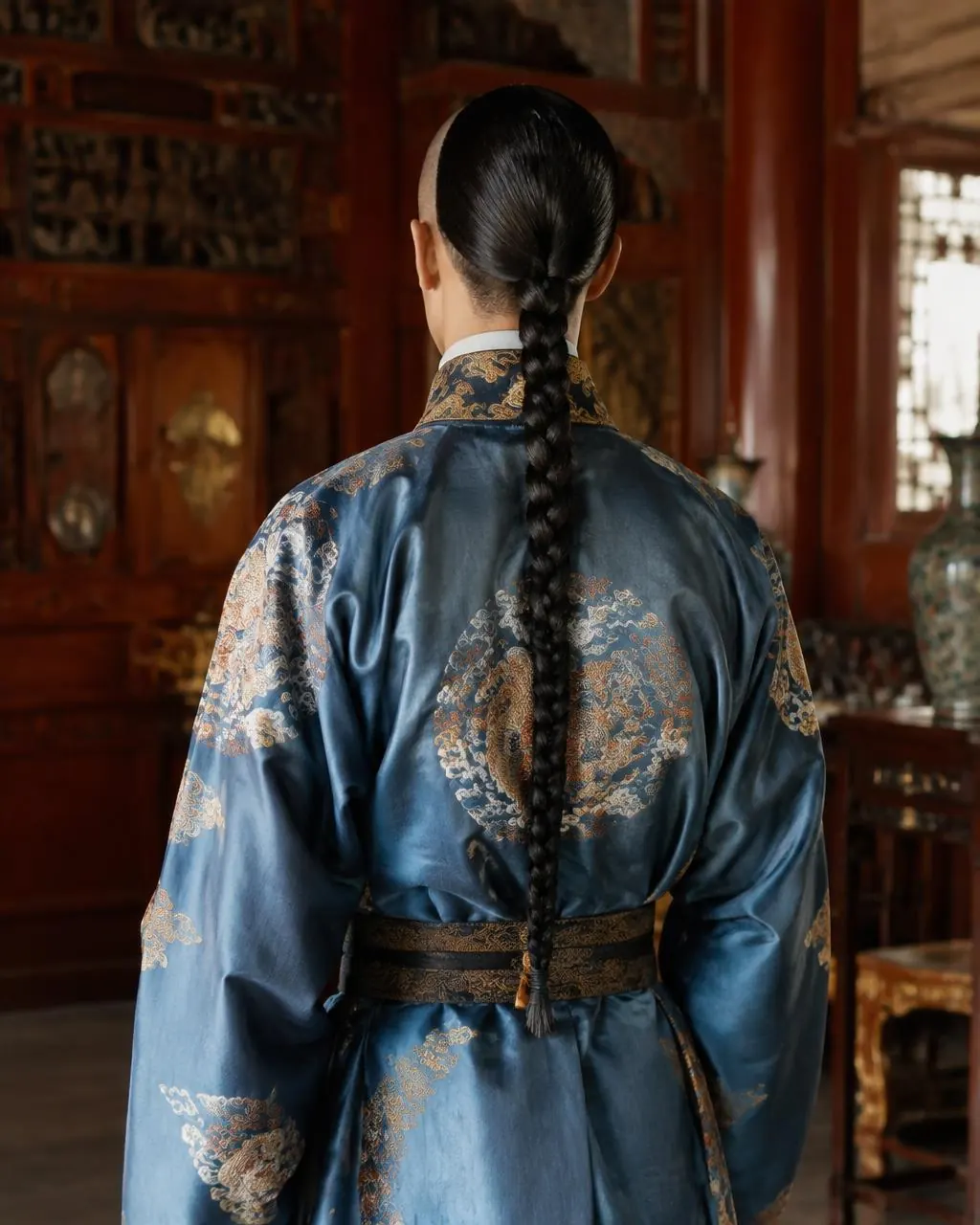
Rococo · 1645
The queue: a hairstyle written into law
For nearly three centuries, a shaved forehead and a long braid were not fashion in China. They were proof of loyalty.
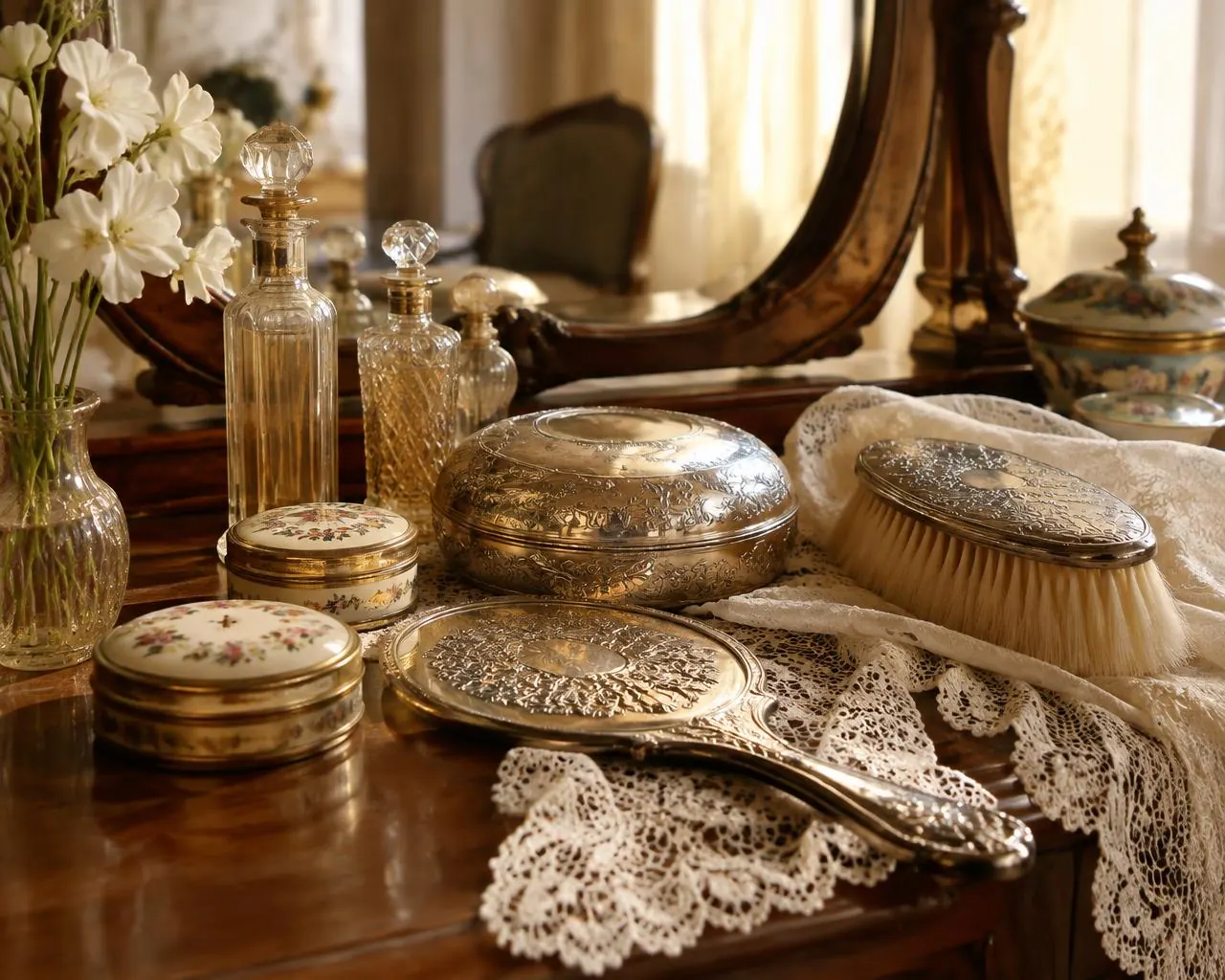
Victorian · 1910
Dry shampoo in 1910: the powders of the pre-shower era
Before running hot water, clean hair came in a tin. Orris root, cornstarch and a stiff brush did the work.
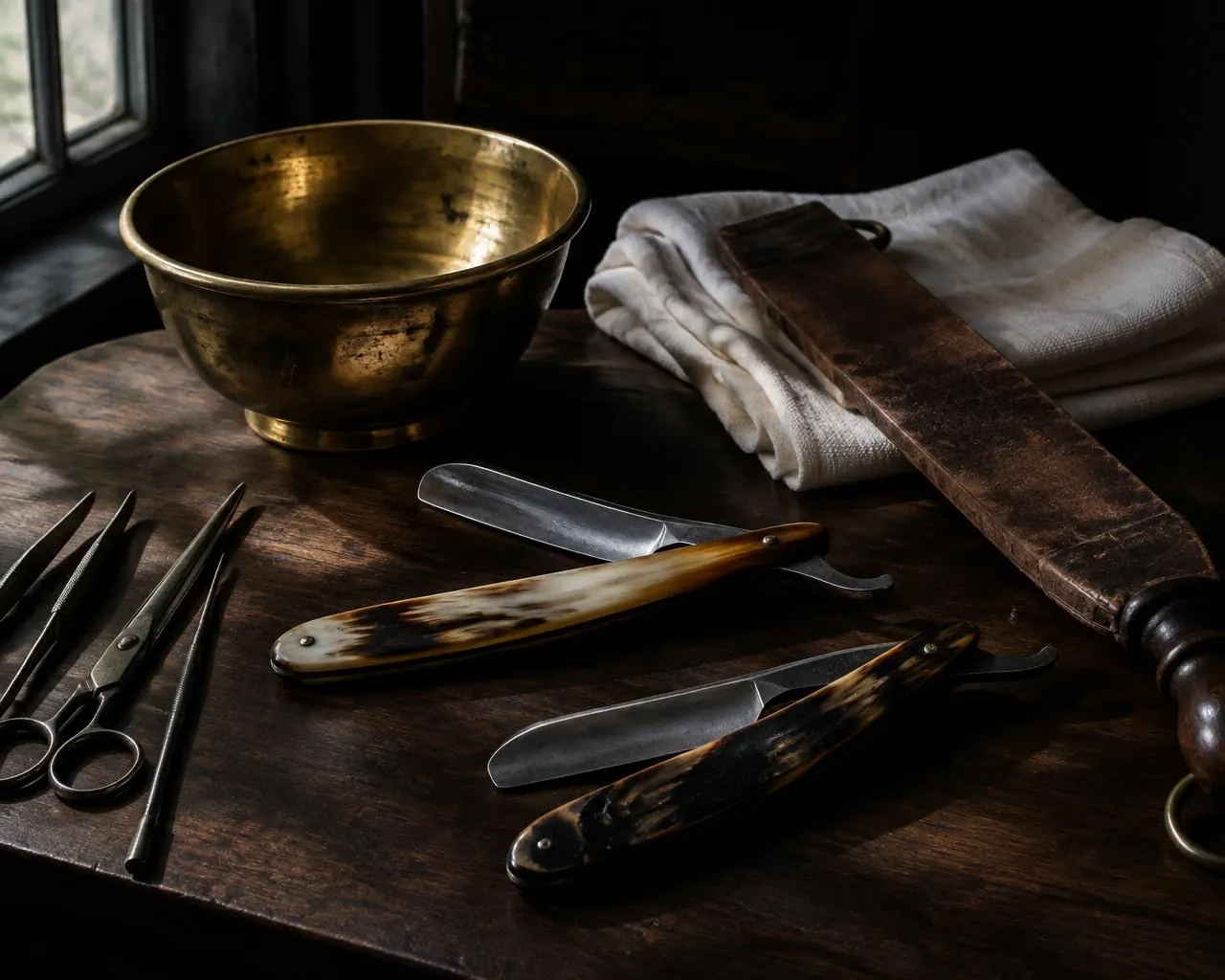
Renaissance · 1540
From barber-surgeons to trichologists: 500 years of the hair professional
The red-and-white pole outside a barbershop is a bandage. It remembers when the man with the razor also let your blood.