Golden Hollywood · New York, 1938
'One hundred strokes a night' and 4 more hair myths great-grandma believed
Brush it a hundred times. Cut it to make it grow. Never wear a hat. The advice was confident. The science was not.
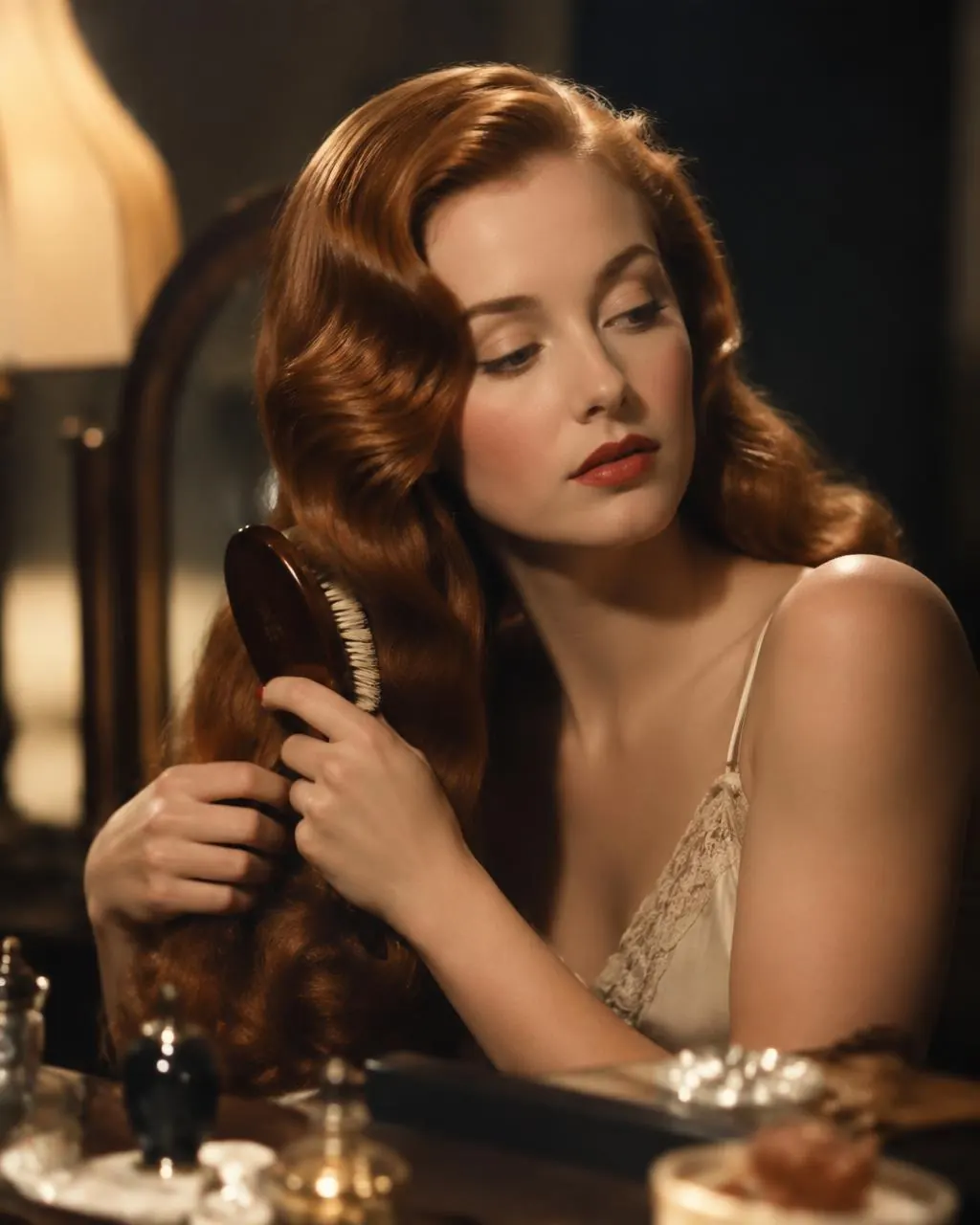
1938. A vanity table. A woman sits with her hair down and a boar-bristle brush in her hand. She counts. Ninety-eight. Ninety-nine. One hundred. Her mother did this. So did her grandmother. It is supposed to make hair shine.
Myth one: one hundred strokes a night. The logic was sound for its time. Brushing distributed scalp oil along hair that was washed rarely. But a hundred strokes is friction. On today's frequently washed hair it mostly causes breakage and split ends.
Myth two: cut it to make it grow. Trimming removes split ends, so hair looks healthier and breaks less. But growth happens at the follicle, under the skin. Scissors at the tips cannot reach it.
Myth three: wearing a hat makes you bald. Generations of men believed the hatband choked the roots. Ordinary hats do not cause hereditary hair loss. Only very tight headwear worn constantly can contribute to traction at the hairline.
Myth four: stress turns your hair white overnight. The legend attaches to Marie Antoinette. Sudden whitening overnight is not how pigment works. But severe stress can trigger shedding weeks later — a real condition called telogen effluvium.
Myth five: plucking one grey hair makes two grow back. Each follicle produces one hair. Plucking doesn't multiply them. It can, over time, damage the follicle.
These rules were passed down like recipes. They gave people a sense of control over something that often felt like fate. Some held a grain of truth. Most simply held the comfort of a ritual.
Further reading: Stress and hair loss · Does wearing a hat cause hair loss?
Questions about your own hair? Ask a specialist.
Find a trichologistPre-Trichology Foundations Certificate · Trichologist Academy
Know the hair behind the hairstyle.
You know hair. Discover the science beneath it.
For stylists, barbers and salon owners who want to understand what they see in the chair: the structure of the strand, the growth cycle and how the scalp behaves — so you can talk to clients with confidence and know when to refer.
An introductory certificate and a first step towards further study; it is not a clinical qualification.
Run a salon? Explore the T-Select salon pathway →
New stories are announced on Instagram. Follow @the_history_of_hair
Related stories
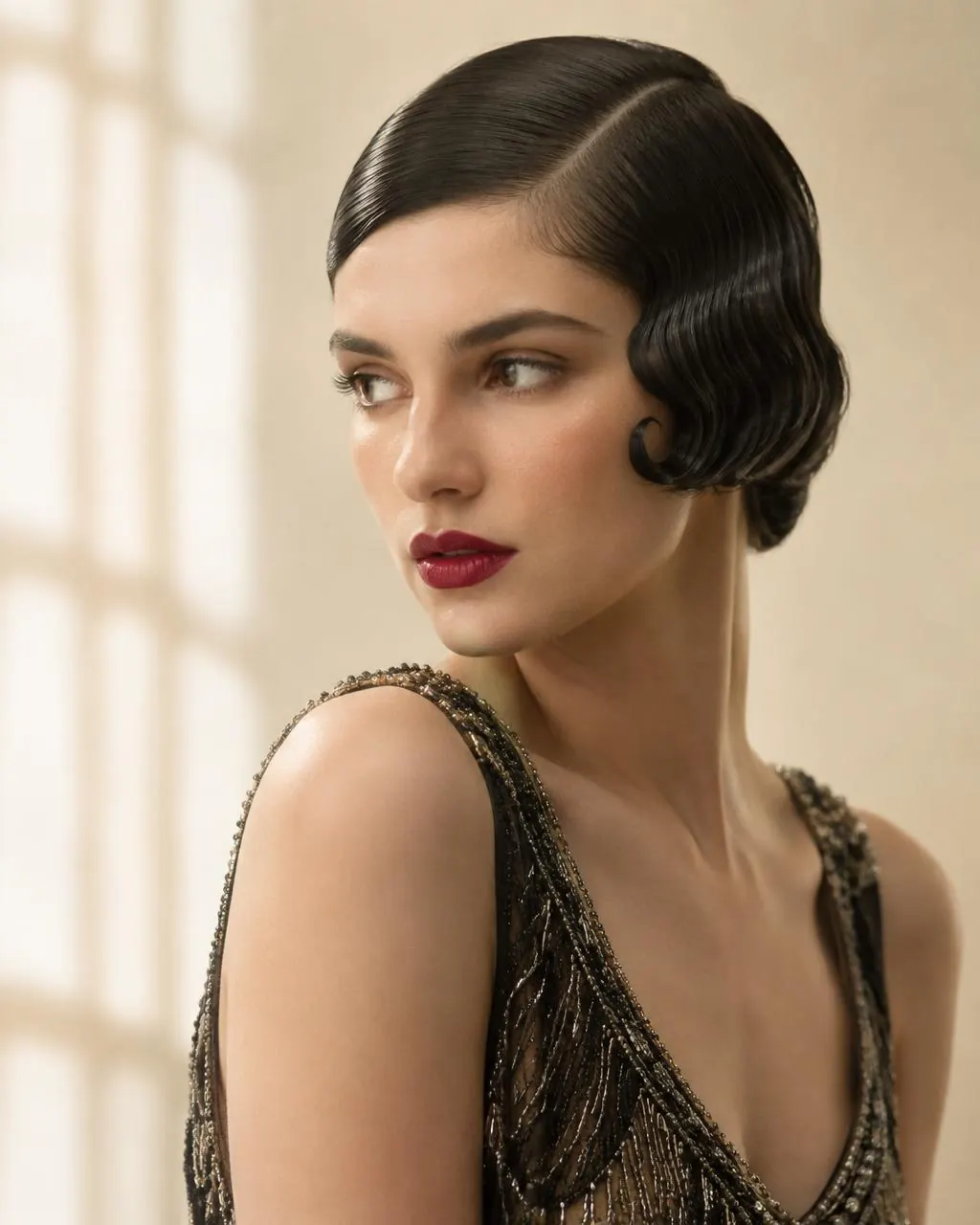
Jazz Age · 1925
Josephine Baker and the lacquered Eton crop
In 1925 a nineteen-year-old from St. Louis arrived in Paris and turned a haircut into a lacquered emblem of the Jazz Age.
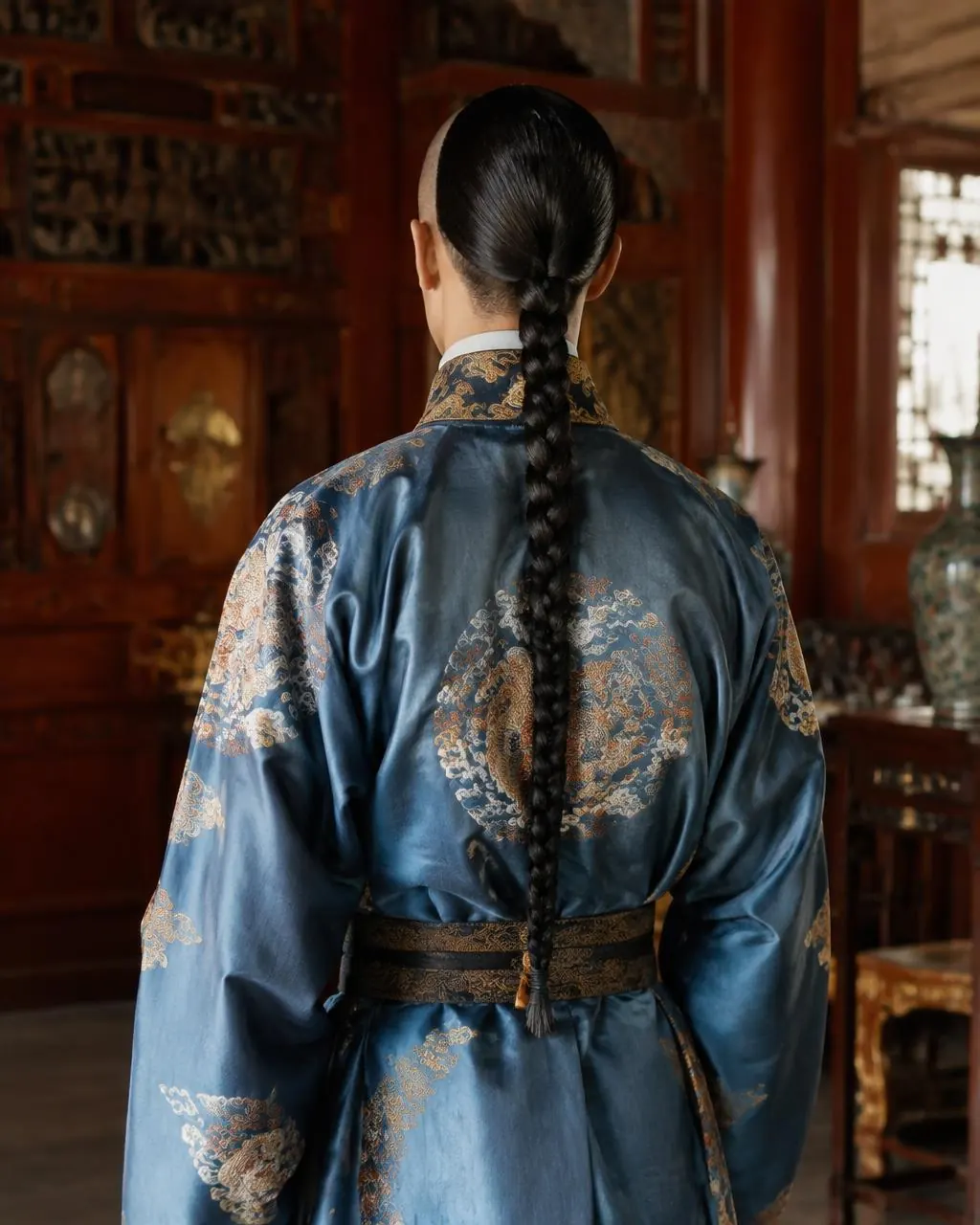
Rococo · 1645
The queue: a hairstyle written into law
For nearly three centuries, a shaved forehead and a long braid were not fashion in China. They were proof of loyalty.
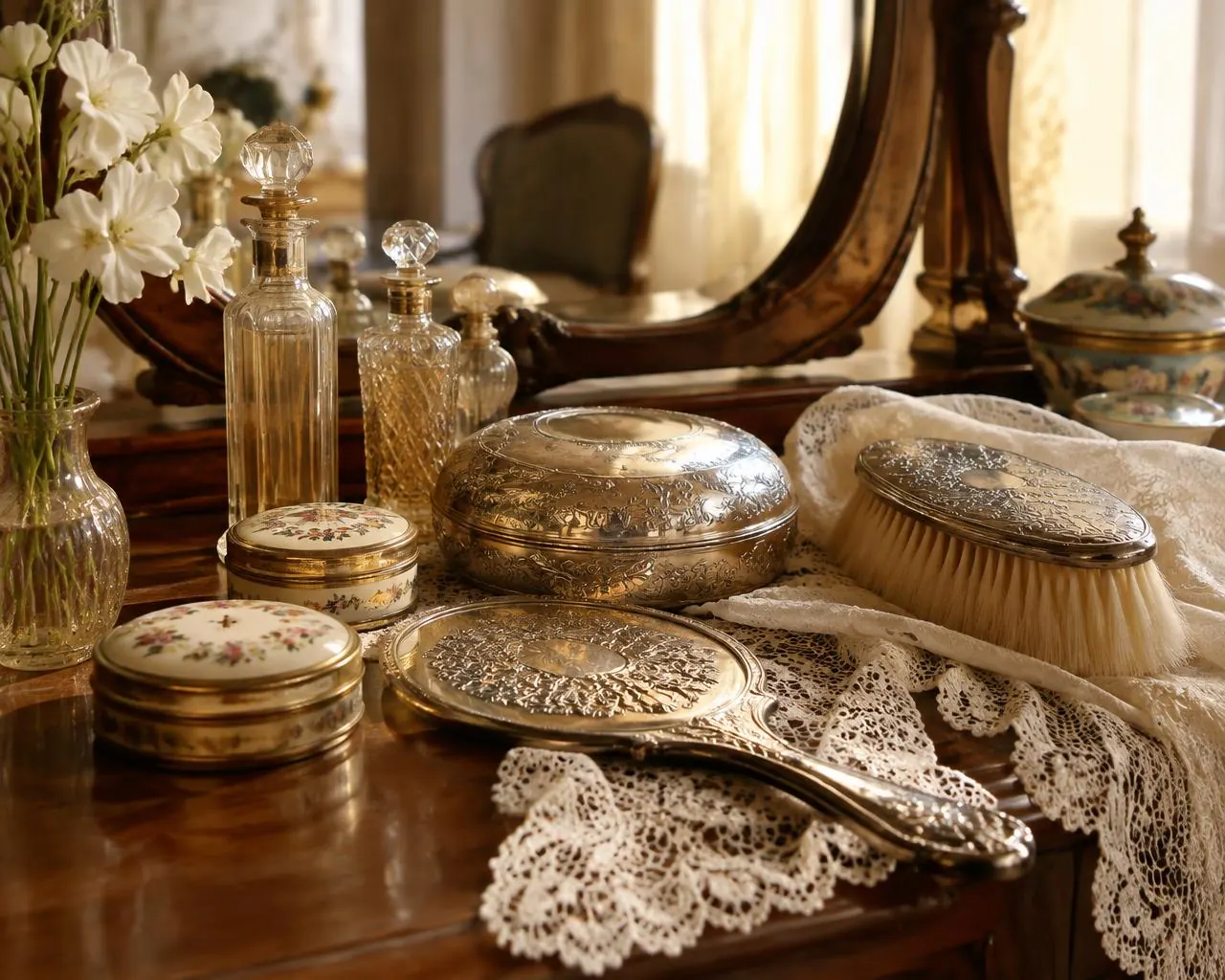
Victorian · 1910
Dry shampoo in 1910: the powders of the pre-shower era
Before running hot water, clean hair came in a tin. Orris root, cornstarch and a stiff brush did the work.